

From Angry Regular to Star
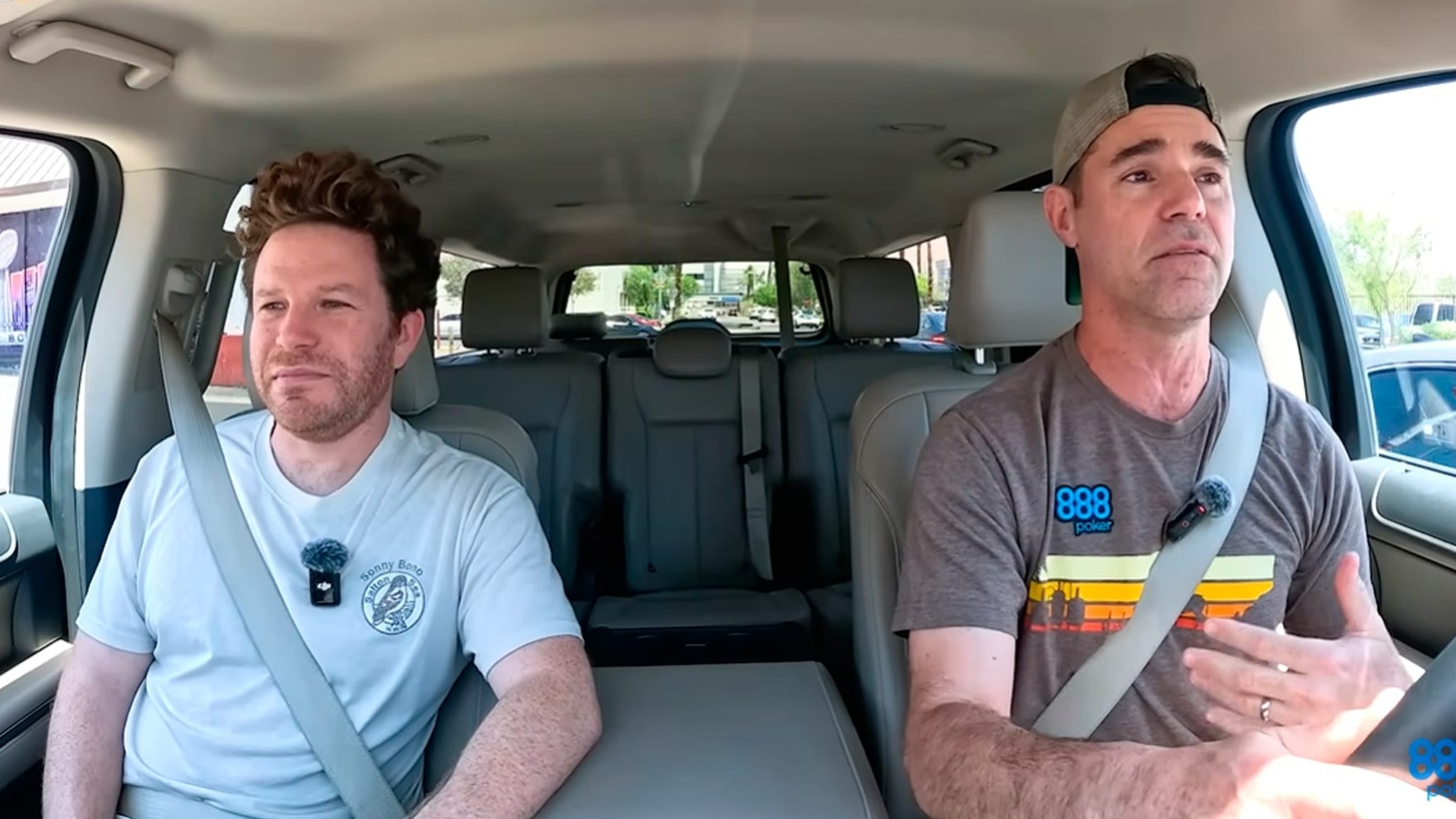
In the car, Jaffe openly admits he still feels more like a grinder than a “content creator.” He started creating content quite naturally — by turning on the camera whenever he got mad. He recounts a story about Burning Man, where half of poker Twitter advised him to go “into the desert on hallucinogens,” while the same people ignored him at the table months later — the kind of hypocrisy he's keen to spotlight. Realizing other players had similar experiences, his unfiltered rants began going viral, offering a kind of “catharsis.”
As he laughs, he’s not from the TikTok generation—approaching forty, the “influencer” career felt entirely foreign to him. Yet he found his audience: initially in short videos, later in commentary roles. For WSOP and other brands, he’s commentated several final tables. Tuckman concedes that the “angry dude from Twitter” became a legitimate microphone partner, adept at switching between serious analysis and entertaining talk-show style as the final table demands.
One Call Away from the End: The 2012 Bracelet Story
One of the most powerful sections revisits 2012 — a summer that nearly ended Jaffe’s poker career. Post-Black Friday, Will moved to Costa Rica to grind online, then hit the WSOP, planning to play “about thirty events — and if things didn't work out, find something else.” With a disastrous run and his last dollars lost in cash games, he was packing his bags. A frantic 4 a.m. call to a friend changed everything: “Will you lend me a thousand? I want to register for tomorrow’s $1k.” A few hours later, he turned that thousand into $500,075 and his first WSOP bracelet in Event #54.
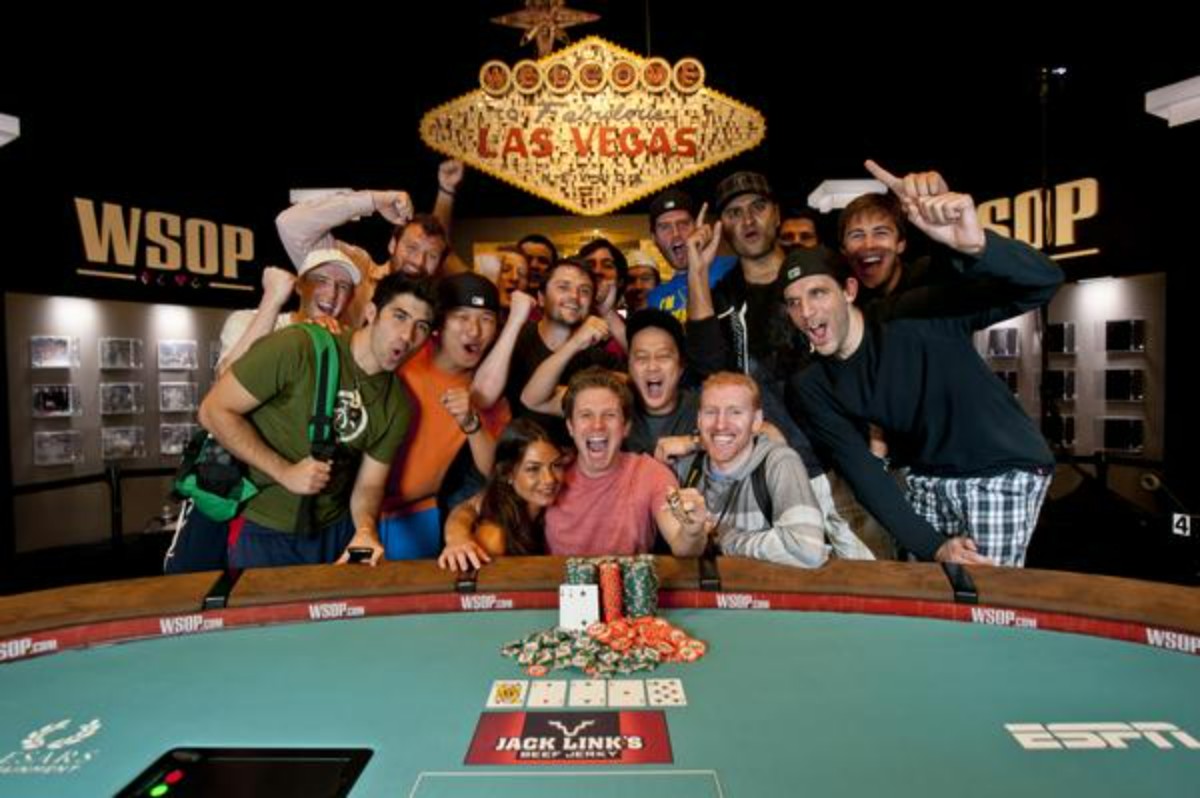
Jaffe admits that without this result, he probably wouldn't be in poker today. Yet he’s candid about contemplating the opposite scenario: “Yeah, sometimes I wonder — what if I’d lost and life pushed me down another path?” Ultimately, such a result is hard to regret— a tournament with over three thousand entries is why you play MTTs at all.
Life Between Family in New York and Casinos
Although most fans know him for his heated debates, at heart, Jaffe remains a pure grinder. In 888Ride, he admits that hold'em became both unenjoyable and increasingly challenging over the years — more solvers, more study, more work on the game. Thirteen years ago, he switched to PLO, then a “new toy” for many casinos — and became a full-time PLO reg long before the younger generation dived in.
Today, he mainly plays PLO cash games, in casinos or apps, describing himself as a “super grinder.” He shows Tuckman his phone, recording 40 hours a week — and it’s not even over. Living in New York State, four to five hours from the nearest casino, his typical trip looks like this: hop in the car, drive several hours, play a 24-hour marathon, grab a few hours of sleep, and repeat. It might not be the ideal Instagram high roller lifestyle, but according to him, the willingness to “crank out high volume” decides who can live off poker long-term.

Poker for Introverts: Solvers, AI, and the End of Trash Talk
Jaffe is among those who’ve experienced two entirely different poker eras. When he started, extroverts ruled — Sammy Farha, the old “Vegas school,” trash talk, long table conversations, playing against opponents more than relying on solvers. Today, he observes the opposite: top regs are often introverts who can sit for hours at a computer, running simulations, spending nights with GTO Wizards, and analyzing every bet size. “The biggest change is technology and AI — it’s now much easier to learn to play well quickly,” he says in the podcast.
He admits this environment isn’t for him. He doesn’t see himself as a math genius and doesn’t want a head full of calculations and tables — his main weapon was always adapting to the ecosystem and reading people at the table. This is why he plays fewer no-limit tournaments, leaving them to the solver generation eager to “do the homework.” For recreational players, he has a clear message: if you’re willing to study a bit, poker has never been more accessible — the tools that once only nosebleed regs had are now available to everyone.
WSOP and Poker’s Future
When the conversation turns to the World Series of Poker, Jaffe’s tone surprisingly softens. WSOP, he admits, isn’t perfect — long queues, sometimes weaker dealers, and chaotic moments come with big series. Yet he speaks clearly: “It’s a month and a half long in the summer, something unmatched in the world. It’s the Mecca of poker.” He likens it to a vacation in Hawaii — you can sit on a beach and complain about the sand, but you're still on one of the world's most beautiful beaches. Instead of constant whining, he proposes viewing WSOP as a poker festival where you’re just happy to be there.

Jaffe believes poker’s biggest hurdle for growth as TV entertainment is players' slow pace. Long tanking with J-5 offsuit, he says, kills the show’s tempo — he suggests greater use of shot clocks and technologies to speed up play. He jokes that players at the TV table should have to say at least “50 words,” or face penalties. But there's a serious point: if poker wants to compete with other formats, it needs personalities, humor, and energy at the table, not seven silent solver bots in hoodies.
Between Grinding and the Microphone: What’s Next?
In the episode's conclusion, it’s clear Jaffe is still searching for balance across multiple roles. Sharp debates made him famous, but today many see him as a unique personality in the poker world. He even won the Twitter Personality award at the Global Poker Awards. Commentary is something he loves, but views it as a traditional job with bosses, schedules, and politics, where he doesn’t feel entirely at home. Poker remains his livelihood, with PLO grinding taking most of his time, and family in New York naturally taking precedence.
Yet he leaves the door open — whether to big studio finales or long hours grinding at virtual tables. What the next chapter of his career will look like, he keeps to himself. To hear the full stories of how he nearly quit, wild cash game trips, and why poker still excites him despite everything, listen to the full episode of this interview:
Sources: 888ride, WSOP, PokerNews, PokerFuse, Poker.org
More from 888 Ride:
Josh Arieh on 888Ride: Seven Bracelets, a Bruised Ego, and a Comeback That Isn't Over
Joe Cada in 888Ride: People said I was just lucky. But I knew I could play
Matt Berkey: High roller players may be twenty times better than me – but I still earn more
Daniel Negreanu: The more haters I have, the more I realize that I'm somebody
Shaun Deeb: I love calling out cheats and fraudsters; the poker industry needs cleaning up

