

https://unsplash.com/photos/a-person-sitting-at-a-table-with-cards-and-chips-LDkm0b4fh48
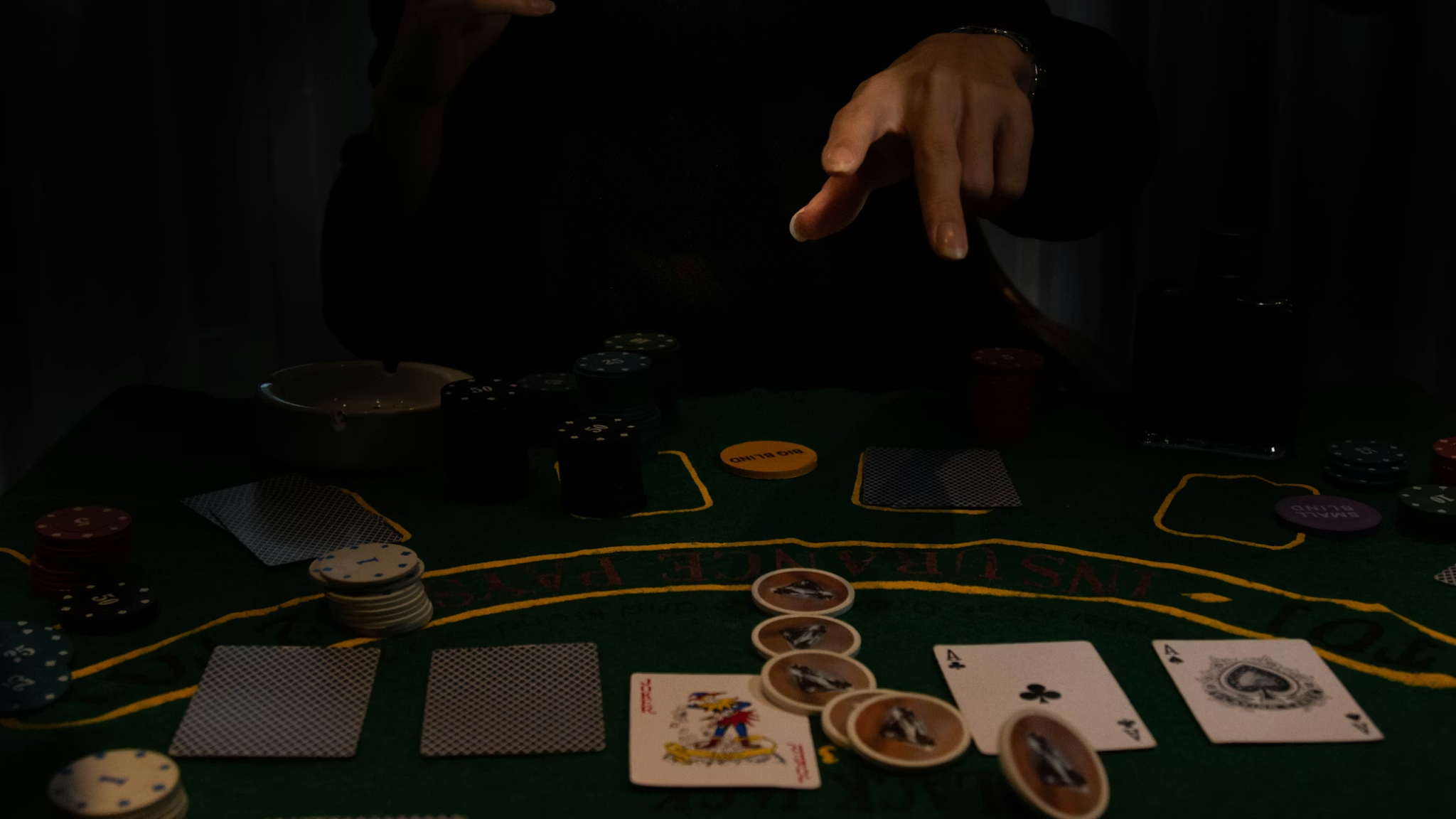
Today even beginners understand that reviewing played hands, calculating odds and keeping a cool head under pressure creates long-term advantage. Before joining real events, many players test their decision-making in safe environments such as test casinos with no deposit bonuses. This helps them organise thinking, explore ranges and build confidence without risking money.
Understanding Variance and Long-Term Results
A weaker opponent can win a single hand against a professional. One lucky card is enough. But this does not make poker a lottery. Professionals rely on expected value over large samples. They know that correct decisions repeated over time lead to positive results.
Tournament structure increases this effect. Bubble pressure, payout jumps and stack depth influence decisions more than the specific cards. Sometimes folding strong hands protects long-term profit. Sometimes calling with a marginal holding is justified because future value is higher. These decisions are built on logic, not luck.
Strategic players also look for ways to stretch resources and collect more data. Promotions and incentives can be useful. For example, applying a Stake casino bonus code may extend volume, allow more analysis and reduce financial pressure during the learning stage. Bonuses do not add skill, but they support disciplined growth by increasing the number of played tournaments and reviewed hands.
Psychology, Emotional Control and Focus
Tournament poker constantly tests emotional stability. Long sessions, incomplete information, sudden eliminations and difficult decisions create pressure. The greatest threat is tilt, when a player reacts emotionally after bad results and abandons logic.
Experienced players learn to separate outcomes from decisions. They understand that they control only the quality of play, not the card sequence. They rebuild discipline after setbacks instead of chasing losses. Good players recognise when fatigue narrows their ranges, when ego pushes them into risky calls, or when fear prevents profitable aggression. Calm thinking, patience and clear judgement bring more long-term returns than any lucky draw.
Reading Opponents and Managing Table Image
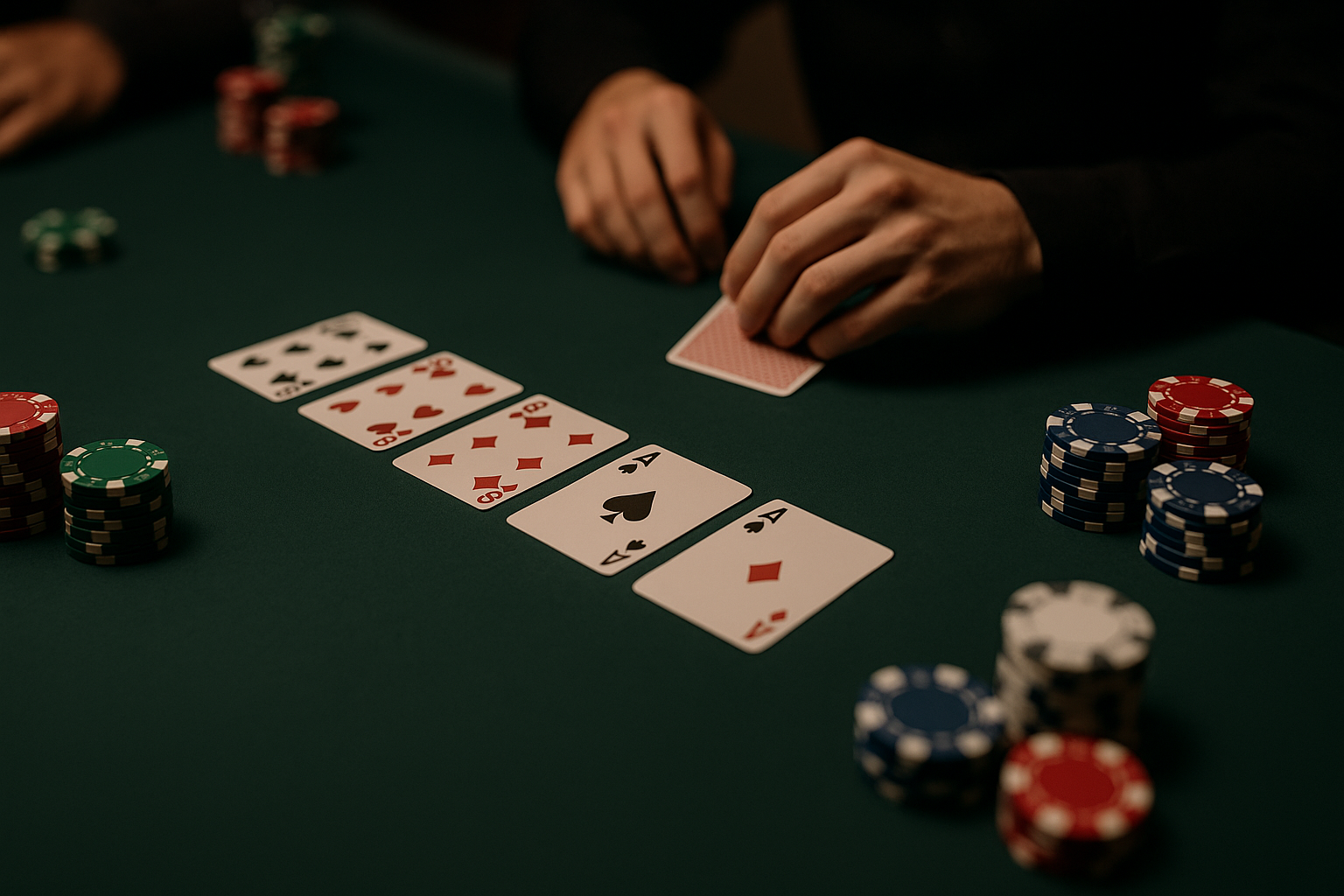
Poker is also a human game. Professionals watch timing, betting rhythm, emotional reactions and patterns. They learn what hesitation means and how confidence looks. They analyse how opponents size their bets, how often they bluff and when they panic.
At the same time, they control their own table image. Someone can appear tight early to earn respect later. Another can show loose play for a while to confuse ranges and hide strong hands. Convincing an opponent to fold the best hand is not luck. It is a result of observation, logic and psychological awareness.
Study Tools and Data Based Strategy
Modern tournament poker is a highly analytical field. Solvers, equity calculators, hand histories and decision trees help identify mistakes and refine strategy. This turns poker into a skill sport far beyond simple card guessing.
Players also optimise rewards and volume. Some choose to use the latest Coins.Game bonus code to unlock extra playtime and generate more statistical material. Practice, repetition and hand-by-hand review create stronger intuition over time.
Tournament specialists consider position, stack size, pot odds, fold equity, opponent leaks, risk control and ICM pressure. The card that lands on the table matters much less than the logic that put a player into that situation with the correct decision.
Skill Always Wins in the Long Run
Even the strongest players experience downswings. But when results are measured over months and years, discipline and strategic thinking beat randomness. Mathematics, analysis, emotional control and pattern recognition form the foundation of success.
Poker is a game of incomplete information. The advantage belongs to the player who processes that information most accurately. A single card can decide one moment, but tournaments reward strong reasoning, patience, bankroll planning and psychological balance.
Luck may determine a hand. Skill wins championships.

