

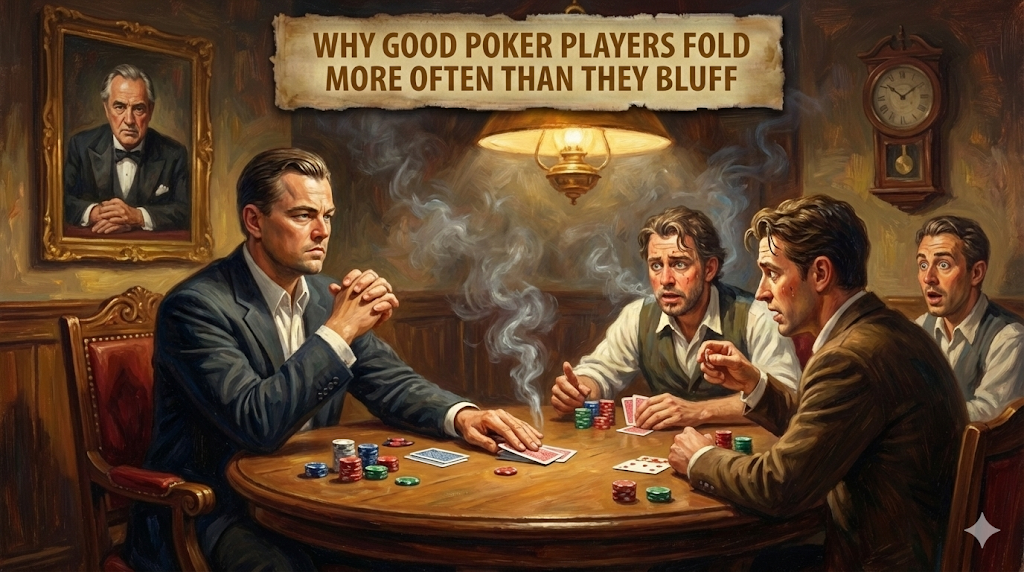
In reality, strong poker players succeed not because they bluff constantly, but because they know when not to. Over large samples, disciplined folding protects bankrolls, stabilizes decision-making, and creates the foundation that makes selective aggression effective. Bluffing may define poker’s image, but folding defines its long-term results.
Modern poker, especially online, has evolved into a game of decisions rather than drama. The players who win consistently are those who understand that avoiding bad situations is just as important as capitalizing on good ones.
Beyond pure expected value, folding also plays a major role in mental clarity. Constant aggression increases emotional load and variance, while disciplined folding keeps players grounded. Many experienced players apply this “reduce noise” principle beyond the table as well—simplifying how they interact with familiar tools and platforms to stay focused. Some even treat casual online habits the same way, preferring easy access through sites like Melbet rather than anything that adds unnecessary friction. The logic is identical: fewer distractions, better decisions.
Aggression Is Powerful—But Only When It’s Selective
Aggression is a core component of winning poker. Without it, players become predictable and easy to exploit. The problem begins when aggression is treated as a personality trait instead of a strategic tool. Many losing players bluff because they feel they should.
They mistake action for control and assume pressure alone wins pots. In practice, this leads to bloated pots, thin edges, and high emotional volatility. Good players understand that aggression has a cost. Every bluff risks chips without showdown value. When those bluffs are poorly timed or unnecessary, they don’t just fail—they accelerate losses. Folding prevents those situations from escalating in the first place.
Folding Is an Active Decision, Not a Passive One
At higher levels, folding is not weakness—it is information processing. Strong players constantly assess ranges, positions, stack sizes, and opponent tendencies. When those variables don’t align, folding becomes the most profitable action available. This is especially true in spots where recreational players struggle the most: medium-strength hands, marginal bluff-catchers, and situations where pot odds look tempting but future streets are uncomfortable.
Instead of asking “Can I win this hand?”, strong players ask “Is continuing profitable often enough?” If the answer is unclear or negative, they fold without hesitation.
Why Fewer Bluffs Win More Money
Bluffing only works under specific conditions. Opponents must fold at a certain frequency, the board must favor your perceived range, and your line must make sense across multiple streets. In real games, those conditions are far less common than players assume.
Most player pools—especially at small and mid stakes—are under-bluffing in key spots. That means calling too often becomes a mistake, and bluffing too frequently is punished. Folding exploits this imbalance far more reliably than trying to force action. This is why good players often appear “tight” to observers. They aren’t afraid to bluff—they simply wait for situations where the math and population tendencies support it.
Emotional Control Is Built on Folding
One of the biggest hidden benefits of folding is emotional stability. Bluff-heavy strategies increase variance, and high variance increases tilt. Failed bluffs feel personal. Hero calls that don’t work feel embarrassing.
Folding removes many of these emotional traps. It keeps sessions predictable and repeatable. Over time, this emotional consistency becomes a competitive advantage. Players who fold well don’t need to “win pots back.” They stay patient and allow opponents to make larger mistakes later.
Strong Players Bluff Less—but With Purpose
The difference between winning and losing players isn’t whether they bluff—it’s how and why they do it. When strong players bluff, it’s usually because:
- their range has a structural advantage
- the opponent’s range is capped
- the board favors their narrative
- stack sizes support fold equity
Because these bluffs are rare and well-constructed, they succeed more often. Ironically, bluffing less increases bluff credibility. Recreational players tend to invert this logic, bluffing frequently in bad spots and then compensating with even more aggression when things go wrong.
Table: Folding vs. Over-Bluffing
|
Habit |
Long-Term Effect |
Typical Result |
|
Disciplined folding |
Lower variance, stability |
Quiet profitability |
|
Constant bluffing |
High variance, tilt |
Inconsistent results |
|
Selective aggression |
Balanced risk |
Sustainable edge |
|
Ego-driven calls |
Negative EV |
Slow bankroll loss |
This contrast explains why folding is more valuable than flashy plays.
Population Tendencies Favor Patience
Poker is not played against perfect opponents. Most players have leaks. They call too much, fold too little, or play predictably under pressure.
Against such opponents, folding becomes even more powerful. You don’t need to outplay them in massive pots—you simply avoid losing ones. Over time, opponents defeat themselves. Strong players don’t manufacture action. They wait.
Why Spectators Misunderstand Winning Poker
The myth of constant bluffing persists because poker is marketed as entertainment. Broadcasts highlight dramatic moments, not disciplined folds. Viewers see the one successful bluff, not the ten folds that made it possible. Experienced players value invisibility. The fewer mistakes you make, the fewer situations you need to “save” with aggression.
Folding Preserves Flexibility
Every fold preserves chips, and chips preserve options. A healthy stack allows better leverage, stronger pressure spots, and more strategic freedom. Winning poker is not about winning every pot—it’s about staying in control of the game environment.
Reputation, Restraint, and Long-Term Edge
Interestingly, this principle extends beyond the table. Consistency, restraint, and visibility management matter in many competitive spaces. Even social platforms like MelBet Instagram Iran reflect how sustained presence often comes from controlled engagement rather than constant noise. Poker rewards the same mindset.
Bluffing may define poker’s image, but folding defines its reality. Strong players win not because they out-bluff opponents, but because they consistently avoid negative situations and protect their decision-making framework. Folding preserves bankroll, stabilizes emotions, and sharpens judgment. Over time, it becomes a quiet but decisive edge. If you want to improve your results, don’t focus on bluffing more often. Focus on folding better. In modern poker, that skill matters more than almost any other.

