

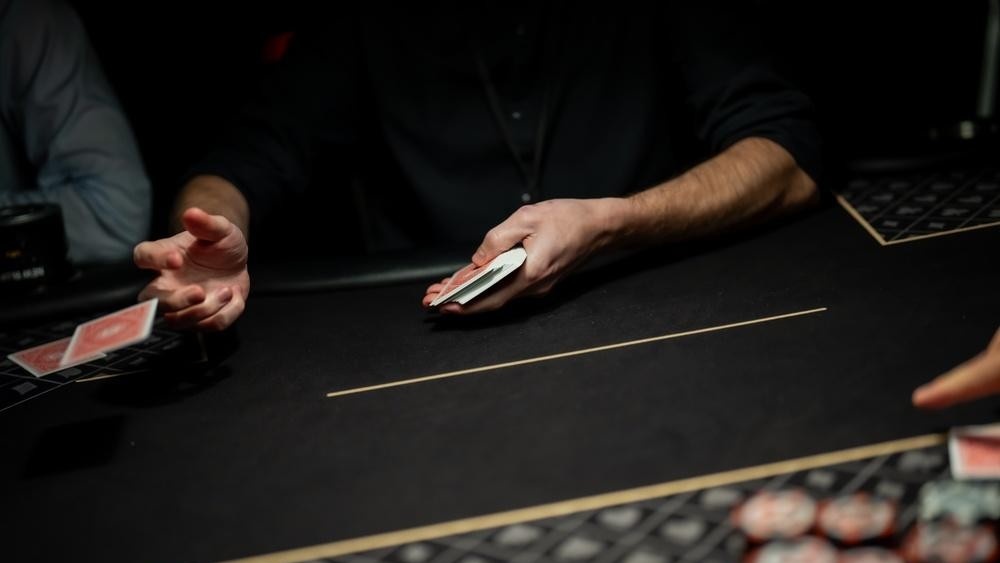
You’ve been five-tabling for six hours. One bad river costs a stack, and the leaderboard countdown is ticking. Do you quit, or load another table?
Extended online poker sessions aren’t just about volume. They expose how players respond to fatigue, tilt, incentives, and the invisible friction of endless choice. In the digital grindhouse, session length doesn’t only measure stamina; it reveals mindset.
Digital Poker Removes the Brakes
Online poker offers what live play can’t: frictionless, 24/7 access. No travel, no table waitlists, no closing time. Add in time-zone overlap with international pools, and there’s always a reason to stay logged on. Convenience becomes compulsion, especially when volume equals value in leaderboard and rakeback structures.
A typical online poker player sees 3–4x the hand volume of live games, and that’s before multi-tabling. Each decision might feel small, but over hundreds or thousands of hands, cognitive load compounds. The longer the session, the more subtle your leaks become. Even sharp players begin to fade, not from lack of knowledge but from decision fatigue that creeps in unseen.
Tilt, Pride, and Playing Past Your Edge
Live poker has built-in buffers: banter, breaks, human presence. Online play strips those away. Tilt hits harder and faster. Without space to recalibrate, some players ramp up aggression, while others default to autopilot. Meanwhile, cultural signals around grinding, especially on-stream, push players to keep going, even when they’re slipping. The longer the session, the blurrier the line between discipline and denial.
Over time, players also develop quiet rationalisations to justify staying seated. A downswing becomes “variance that will even out soon.” A heater becomes “too good to walk away from.” The brain starts framing every outcome as a reason to continue rather than a signal to pause. This is where psychology overtakes strategy. Instead of asking whether they’re still playing well, players ask whether they’re still ahead, still eligible for a bonus, or still emotionally invested in recovering a previous hand. The decision to keep playing shifts from technical to emotional without them noticing the handover.
Rewarded for Not Logging Off
Leaderboards, rakeback tiers, and time-based rewards all nudge players to stretch sessions. When you've already put in 10 hours, what's two more to lock in that bonus? It's a classic sunk-cost dynamic where the reward system itself begins to dictate play, even at the cost of win rate or sanity.
Twitch and YouTube have added a performative layer to poker. Marathon sessions, 24-hour grinds, and volume challenges play well with audiences but also reinforce extreme norms. Viewers cheer the hustle, not the breaks. For aspirational players, the message is clear: play longer, stream harder, sleep later. What gets lost is how much off-table structure elite streamers rely on to recover and recalibrate (resources many viewers don’t have).
Multi-Tabling Sharpens Edge, Until It Dulls It
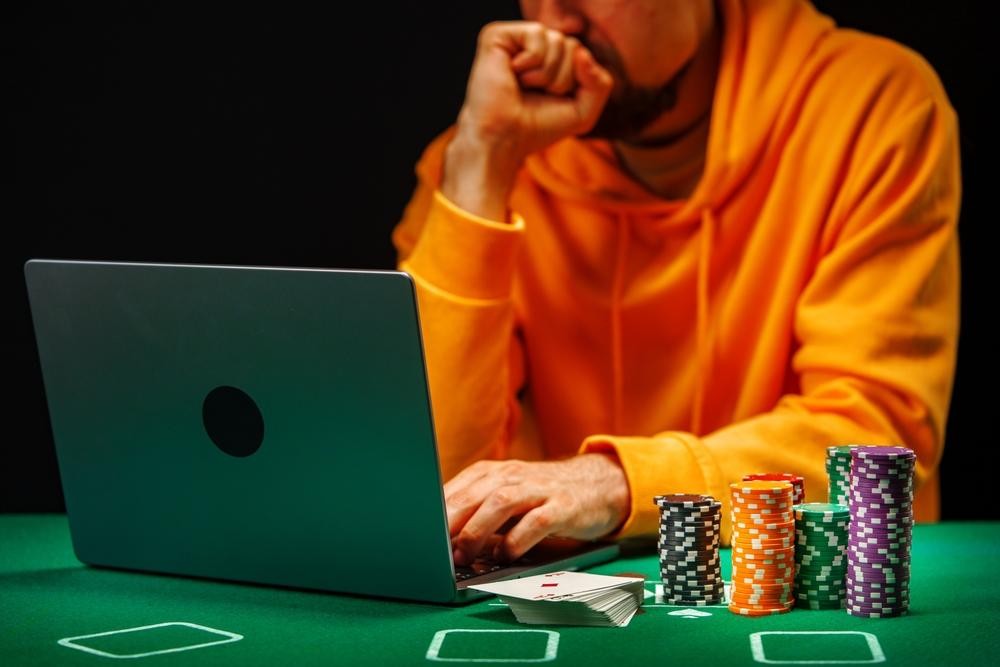
At four tables, you’re optimizing. At sixteen, you’re fire-fighting. The edge that multi-tabling gives in volume can disappear under pressure. Players start leaning on HUD stats, mechanical patterns, and muscle memory. Strategic flexibility erodes. What begins as efficiency can turn into mental overload, especially deep into a session.
There’s a myth that real pros always play longer. In truth, many seasoned online poker players know exactly when to quit. Three hours of sharp play often outpaces ten hours of tilt-protected dragging. But newer or mid-stakes grinders often equate long hours with legitimacy. The longer they stay on, the more "pro" they feel, even if their edge has evaporated five hours ago.
Burnout Wears a Hoodie, Too
Burnout in online poker starts with subtle signs: a drop in motivation, a souring of mood, a disinterest even in winning. Long sessions drain more than focus; they tap into dopamine and discipline. Without rest cycles, rituals, or balance, even consistent winners can find themselves disengaged, logging in out of habit more than hunger.
What the Hours Really Say
In the end, long sessions tell a story. Sometimes it’s a story of drive and discipline. Other times, it’s a tale of chasing losses, avoiding boredom, or playing through stress. Session length isn’t a virtue in itself; it’s a lens. It shows how players manage themselves under invisible pressure, in a game that never ends until you decide to close the client.
In online poker, long sessions are less about skill than about mindset under stress. They magnify fatigue, tilt, and the subtle pull of platform incentives. Whether you’re chasing a challenge or just caught in the loop, those extra hours say more about your psychology than your cards. The smartest move might be knowing when to fold, not just the hand, but the session.

