

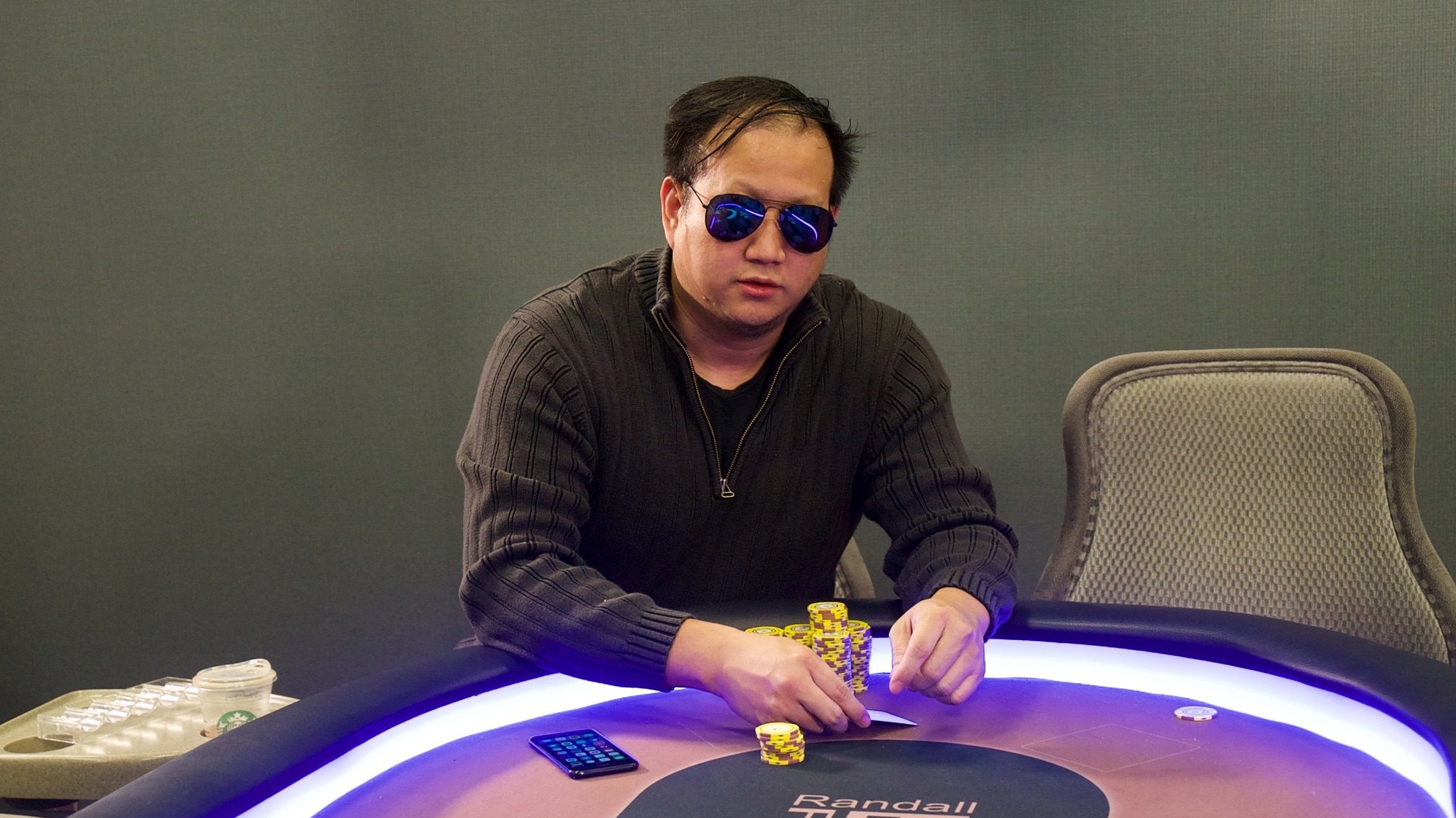
The poker world today loves big numbers, viral moments, and the illusion of endless money on the table. Wayne Chiang, however, is one of those people who sees the reality from the other side of the camera. As a longtime producer and showrunner for projects like Live at the Bike and Live at the Commerce, he knows exactly what viewers never see. In an interview with Brad Wilson, he openly discusses why organizing high stakes games is increasingly challenging and why the entire ecosystem is on thin ice.
High Stakes Games Aren't About Production, But Money
One of the main points of the interview is a simple truth. The hardest part of a poker stream isn't the technology, graphics, or commentary. The toughest challenge is getting people to sit at the table and put their own money into play. And to do it repeatedly.
Chiang explains that modern high stakes players have more options than ever before. Private games, selective lineups, personal preferences, and personality conflicts make it extremely difficult to assemble a stable game. If a player doesn't want to play with a specific opponent, the game simply doesn't happen. Whether it's fair or logical doesn't matter. That's the reality.
Chiang also compares online poker with live environments. The online world operates as a pure meritocracy. If there's a seat, you sit. If you make mistakes, you lose. Live poker is different – it's more political, personal, and reliant on interpersonal relationships. For players with an online background, it often comes as a harsh awakening. The better a player becomes, the harder it is to find action. Not because they are bad for the game, but because they take money out of an ecosystem built on recreational players.
The Illusion of Abundance and Economic Pressures
From a viewer's perspective, streams look like an endless parade of wealth. Million-dollar pots, famous names, dramatic losses. Yet Chiang points out that a large portion of the money we see on the table is shared, staked, or comes from external sources.
Surprise pod + guest tonight! The mighty Wayne Chiang, Global Poker trophy hoarder, StarCraft crusher, Producer for @BallyLivePoker, + founder of a new poker game? When does this guy sleep??
— LA Poker Roundup (@LaPokerRoundup) November 18, 2024
Come hang w/ @D22_soso, @TyDobbertin, @kwansfull ~9pm PT!
👉 https://t.co/gb2UTt0LKg pic.twitter.com/6oervoprmk
Viewers watch money that is beyond reach and that is what makes the stream appealing. However, it's also an illusion covering the fact that liquidity is limited and declining over time. If money stops flowing in the system, the game falls apart regardless of viewership.
Chiang also speaks openly about broader economic impacts. He mentions the slowdown of Asian markets and the fact that gambling is always tied to disposable income. When people lack extra cash, they won't bring it to casinos or streams. According to him, poker will face a period not of growth but survival in the coming years. Less money means fewer games, shorter durations, and increased pressure on everyone trying to sustain these projects.
Boundaries the Viewer Doesn't See
A big theme of the interview is also the legal side. Chiang explains that not every player viewers want to see on screen can actually play. Anti-money laundering rules, source of funds verification, and internal casino decisions are uncompromising. If a player doesn't pass the check, they don't play – no exceptions. The producer has no room for discussion or explanation. This reality often explains why some well-known names never appear on streams.
Chiang touches on the future of poker content, asserting that viewers don't just want to watch technically perfect play. They want emotions, stories, heroes, and antagonists. That's why projects investing time and money into player storytelling work. Without this layer, a poker stream turns into a dry product appealing only to a narrow group of professionals. And that will never be enough to sustain big games.
The interview with Wayne Chiang doesn't appear optimistic or pessimistic. It's realistic. It shows poker as it is today. Complex, fragile, and dependent on factors often unobserved by players and viewers. For anyone watching poker from the front row, this conversation offers a backstage view that fundamentally changes perspective.
More from Chasing Poker Greatness
Bryan Paris: Why Fundamentals Still Decide MTT Poker Victories
Justin Saliba - Why Sometimes You Have to Fold Kings to Win the Game
Dr. Lara Eisenberg – From Doctor to WSOP Champion
Stephen Baker: Most players know what to do – but don't do it
Jared Alderman: The Mindset that Changes the Way You Win in Poker
Sources – Podcast Chasing Poker Greatness, X, Flickr/PSlive (Eloy Cabacas)

