

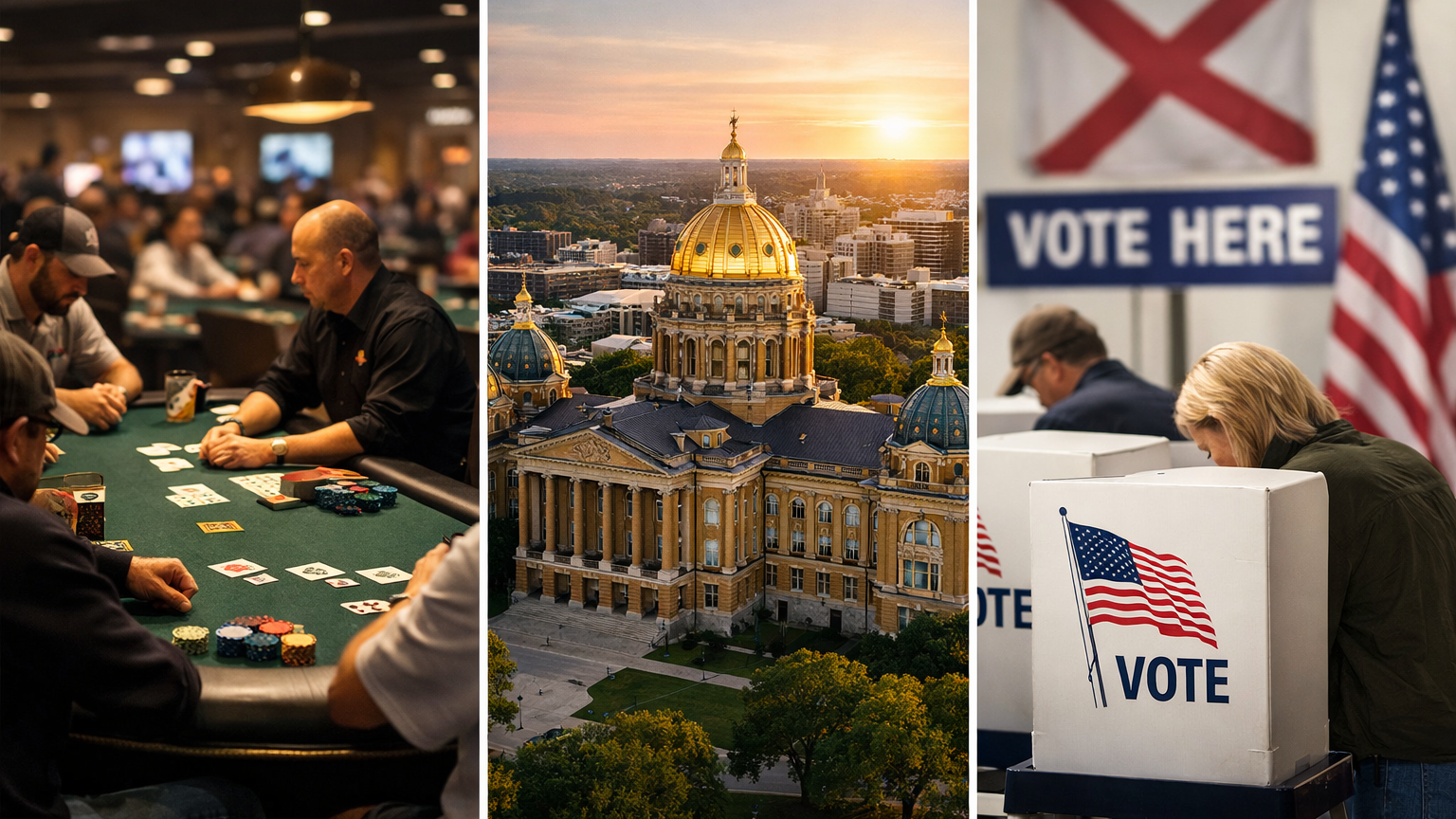
Iowa’s Move: A Legal Lane for Standalone Poker Rooms
In Iowa, the action centers on Senate File 2134 (SF 2134), introduced on January 28, 2026 and sent to the Senate’s State Government committee. The proposal would allow “commercial poker cardrooms” to operate as dedicated venues - expanding a scene that currently keeps retail poker largely inside casinos. The biggest live hubs today are around Council Bluffs, Riverside (near Iowa City), and Des Moines, but the model remains casino-first.
The key detail for players is the rake. SF 2134 would allow cardrooms to charge it, while leaving the exact cap to the state gaming commission. Just as important is what these cardrooms wouldn’t be: the bill’s framing keeps them poker-only, with no sports betting and no other forms of gambling such as pari-mutuel wagering.
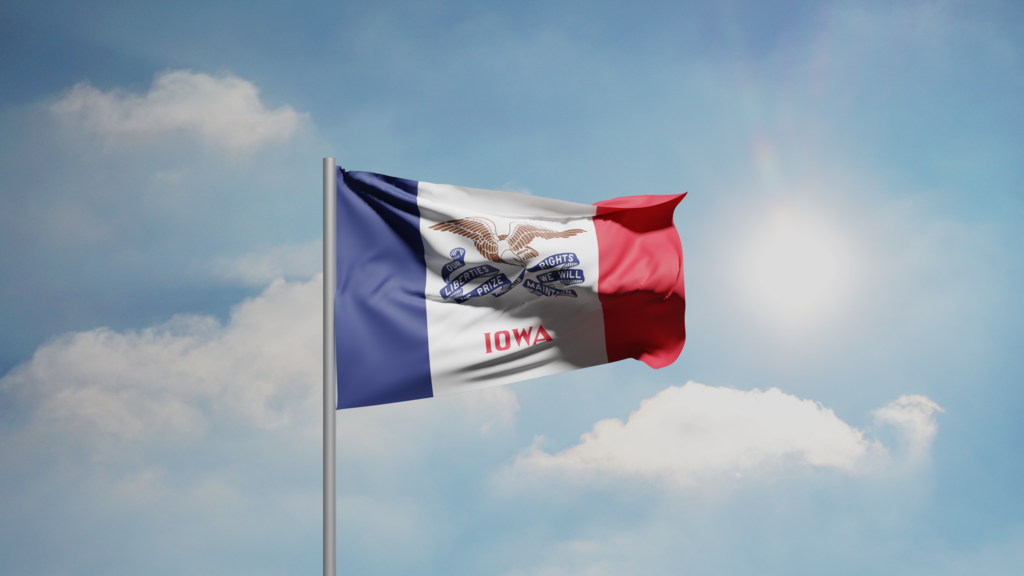
And then there’s the “home-game line.” Iowa already permits limited social gambling under strict rules - nobody can profit beyond the players, everyone must be 21+, and no one can win or lose more than 200$ in a 24-hour period, among other requirements. That framework matters because it explains why cardrooms have been a missing piece: once a game is raked, it stops being “social,” and Iowa currently funnels that kind of poker into casinos.
The subplot here is whether the state actually needs standalone rooms. With a population around 3.200.000 and casino poker already available, it’s not obvious Iowa has the demand that fueled the poker-club boom in states like Texas.
Alabama’s Move: Stop Arguing the Details, Ask the Voters First
Alabama’s story is not about poker rooms at all - at least not yet. It’s about getting the state to the starting line. State Sen. Merika Coleman plans to bring a bill that would put a gambling referendum in front of voters - essentially a clean yes-or-no question on whether Alabama should legalize expanded gambling.
That simplicity is intentional. Alabama’s modern attempts have repeatedly collapsed under the weight of specifics: who gets casinos, what kind of machines, what happens with sports betting, and how tribal interests intersect with commercial operators. 2024 was the closest brush with success—only for the effort to fall one vote short of the super-majority needed after months of compromises and conflict between tribal interests and racetracks.
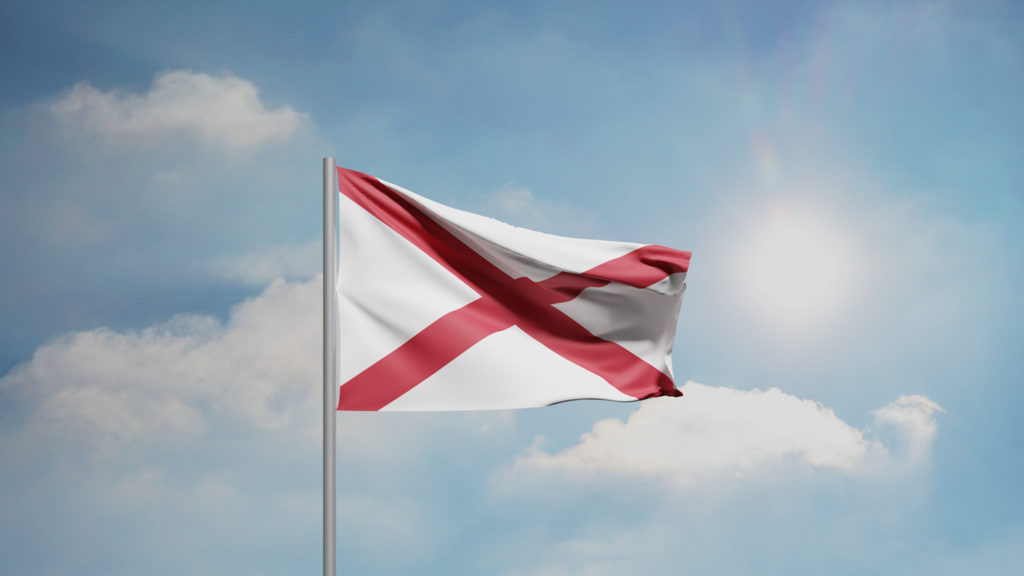
There’s also history on the board. The last statewide referendum was back in 1999, and voters rejected it 54% to 46%. What’s changed since then is the ecosystem: neighboring states offer more options, and lawmakers increasingly argue that Alabama residents are simply spending their gambling dollars across state lines.
The money estimates are attention-grabbing, too. A2020 study commissioned by Gov. Kay Ivey suggesting a package of lottery, sports betting, and casinos could raise about 700.000.000$ for the state, with other projections climbing as high as 1.200.000.000$.
Why Poker Players Should Care
For poker, Iowa is the sharper signal: it’s a direct attempt to create a regulated, poker-only cardroom model where the rake, rules, and licensing live in plain sight. Alabama is a broader gamble—one that could eventually reshape the state’s entire gaming map, but only if lawmakers and voters agree on the first step. One state is trying to legalize the room. The other is trying to legalize the conversation.
Sources – Wikimedia, Al.com, PokerScout, legis.iowa

