

Binion's Bold Gamble That Fell Short
Benny Binion wasn't pleased with the 1971 tournaments. He wanted high stakes that would deliver a bigger spectacle. So, he introduced a $10,000 buy-in for all events. To attract a larger number of players, he risked half of each entry fee ($5,000) from his own pocket. He aimed for a crowd, expecting 12 players for the Main Event. However, only eight showed up. Why? During WSOP, high-stakes cash games also took place at Binion's Horseshoe, where amateurs visiting Vegas were losing fortunes to the pros.
The Main Event saw a slight increase in player numbers compared to 1971, but the number of tournaments dropped to two. Besides the Main Event, the only side event was a $10,000 No-Limit Five Card Stud. Though this format had been the most recognized among poker games for many years, its popularity was declining.
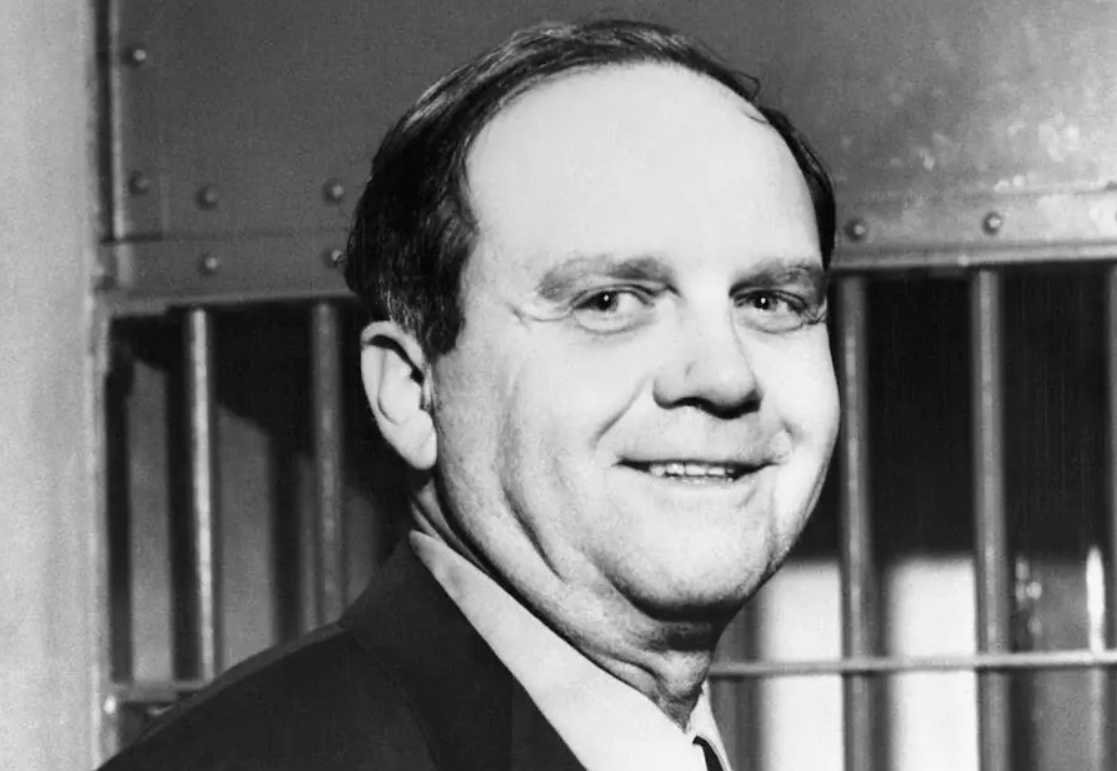
This might be one reason why only two players registered. Another reason was Bill Boyd, a specialist in this discipline, who struggled to find opponents. Boyd faced an unknown amateur and claimed his second WSOP title along with $20,000. Boyd won Five Card Stud tournaments from 1971 to 1974. Benny Binion eventually removed the event from the schedule, as it seemed Boyd would remain unbeatable.
Main Event with a Secret Deal
The lineup in the Main Event was similar to previous years. The biggest favorite was the defending champion Johnny Moss. Joining him were Doyle Brunson, Puggy Pearson, Amarillo Slim Preston, Jack “Treetop” Straus, Crandell Addington, Jimmy Casella, and Roger Van Ausdall.
Casella and Van Ausdall were the first to bust. Johnny Moss quickly took the lead, seemingly on his way to a third consecutive title. However, a decisive hand changed everything. Moss held 2-2 and went all-in after the flop showed 9-7-2. Doyle Brunson called with A-A. The turn was 10. According to several sources, Brunson started getting dressed and was about to leave when an ace appeared on the river. Moss was left short-stacked and soon lost his remaining chips. For the first time in WSOP history, the champion wouldn't be Johnny Moss.
Straus and Addington were next to fall in fifth and fourth place. Only three remained. Doyle Brunson and Puggy Pearson had similar chip counts, hinting that one of them would take the title. Amarillo Slim had a small stack, making his continued presence unlikely.
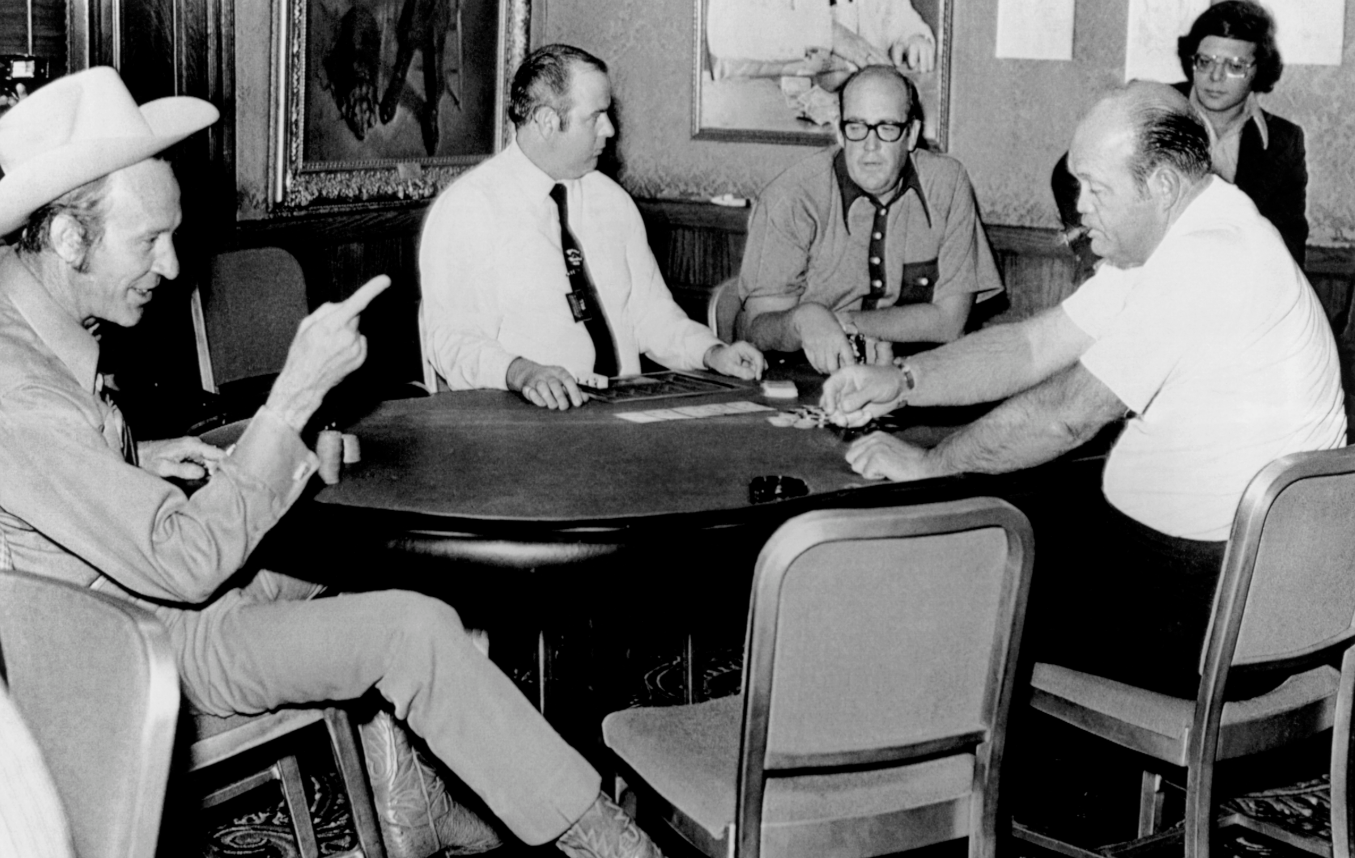
This is where the drama begins, raising questions to this day. Jack Binion brought a television crew to document the tournament's end. Slim, ever a showman, didn't mind the cameras, but Brunson and Pearson grew nervous. Taxes, the IRS, publicity... all this terrified them. Their careers and livelihoods could be at stake if cash game opponents recognized them. The game paused, and the trio disappeared into a backroom.
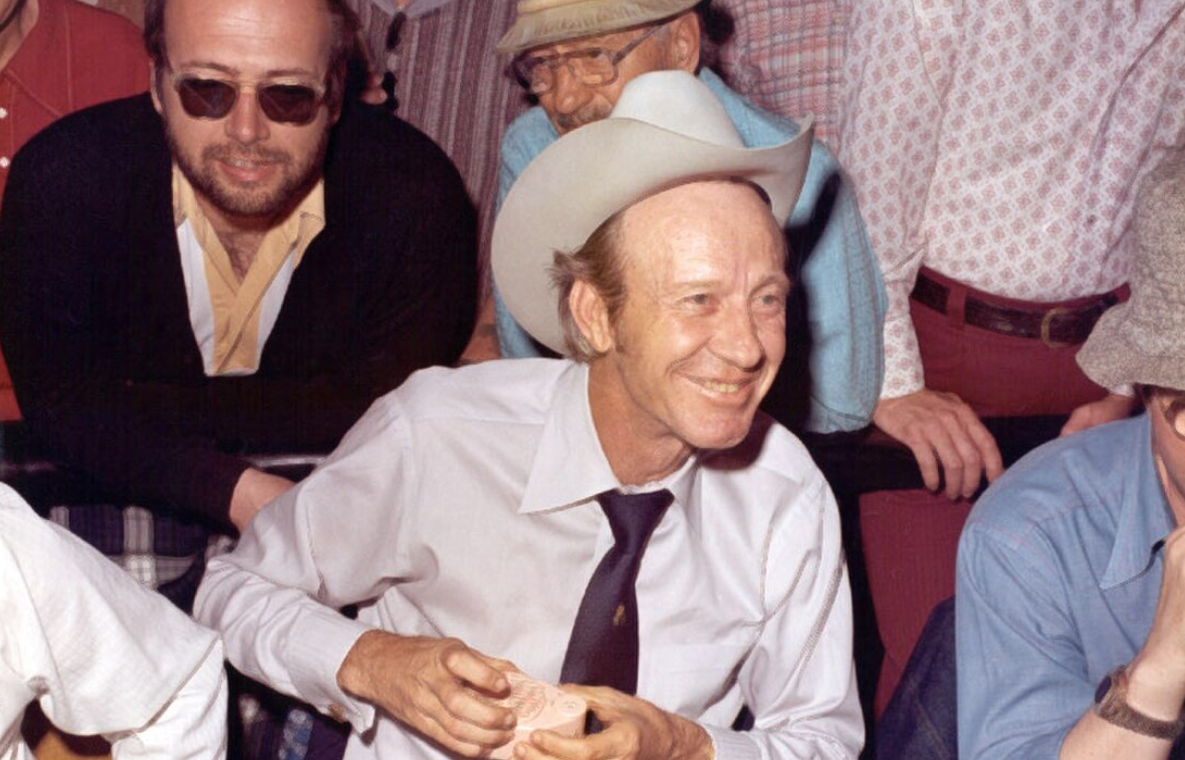
Soon, they emerged with a deal, the most controversial in WSOP history. Brunson and Pearson decided Slim should win the title, as he was comfortable with the cameras and the fame the victory might bring. In exchange, they took their shares of the $80,000 prize pool based on chip count at the time of the agreement. Slim won the trophy and fame; they took most of the money.
It's said Benny Binion was initially furious, but Brunson convinced him Slim would attract attention to poker. Binion eventually agreed, realizing a win by Brunson or Pearson would yield a dull champion for the cameras; Slim promised a spectacle. Doyle Brunson exited “due to health issues” in third place, taking a portion of the money (reportedly $20,000 to $35,000).
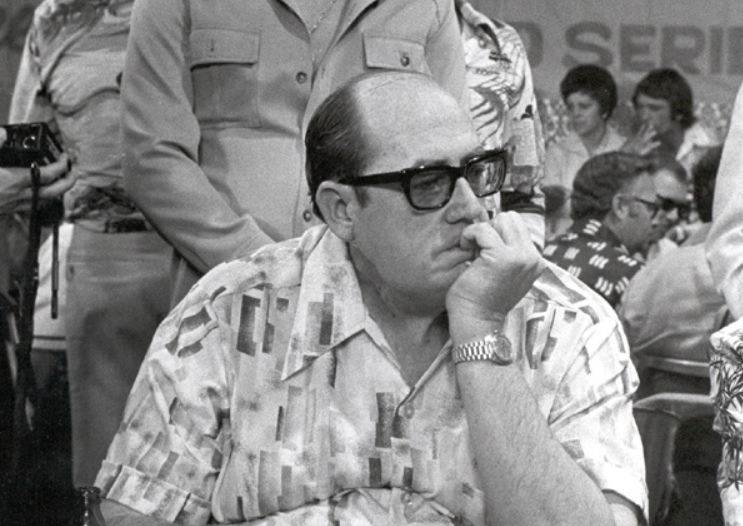
Puggy Pearson stayed in play but wasn't thrilled with the situation. Two scenarios are mentioned at this point, and only Puggy himself would know the truth. The first version claims he initially agreed with the deal but later decided he still wanted to win. The second suggests Puggy slowed down, allowing Slim to win. Either way, the heads-up was brief. Pearson initially had a 2:1 chip lead but Slim quickly turned the tables. In the decisive hand, Pearson went all-in with 6-6 on a K-8-8 flop. Slim called with K-J. A 2 turn and an 8 river crowned WSOP's new champion. Amarillo Slim lifted the trophy.
Officially, Slim claimed $80,000. Realistically, he took home about $15,000 to $20,000, with Brunson and Pearson splitting the rest. The Hendon Mob even specifies exact amounts: Brunson and Pearson each took $32,500, while Slim, as the winner, got $15,000.
|
Event |
Entries |
Winner |
Prize |
|
$10K Five Card Stud |
2 |
Bill Boyd |
$20,000 |
|
$10K No-Limit Hold'em Main Event |
8 |
Amarillo Slim Preston |
$80,000* |
What Happened Next?
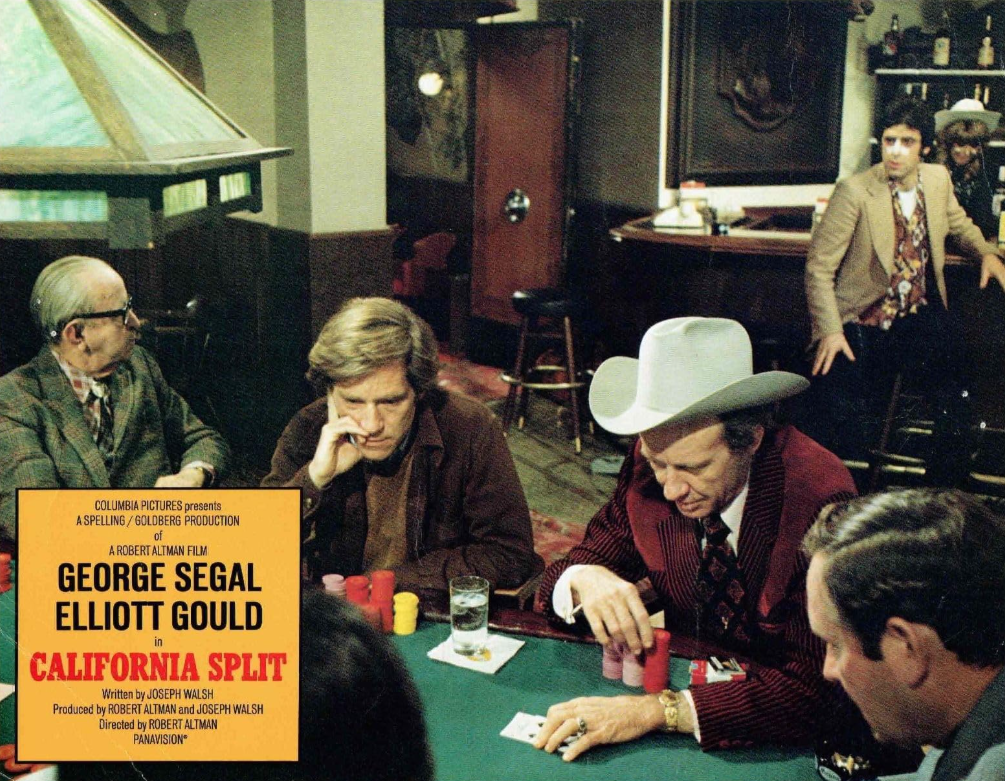
Amarillo Slim became poker's first real celebrity. He appeared multiple times on the popular Tonight Show and various other TV programs. He appeared in the film California Split, co-authored the book “Play Poker to Win” (1973), and was said to be an inspiration for Kenny Rogers' song “The Gambler.”
Slim accomplished what Binion had envisioned when creating the WSOP. He became a star, bringing publicity to poker and presenting it engagingly to the masses. Without Slim's charisma, the tournaments might have remained a niche attraction for a few Texan gamblers, with the WSOP overshadowed by cash games.
More WSOP History
The History of WSOP: 1971 – The First Freezeout Tournaments
The History of WSOP: 1970 - The First World Champion Elected by Vote
Sources: WSOP, Wikipedia, PokerListings, The Hendon Mob, GGPoker, Wikiwand

