

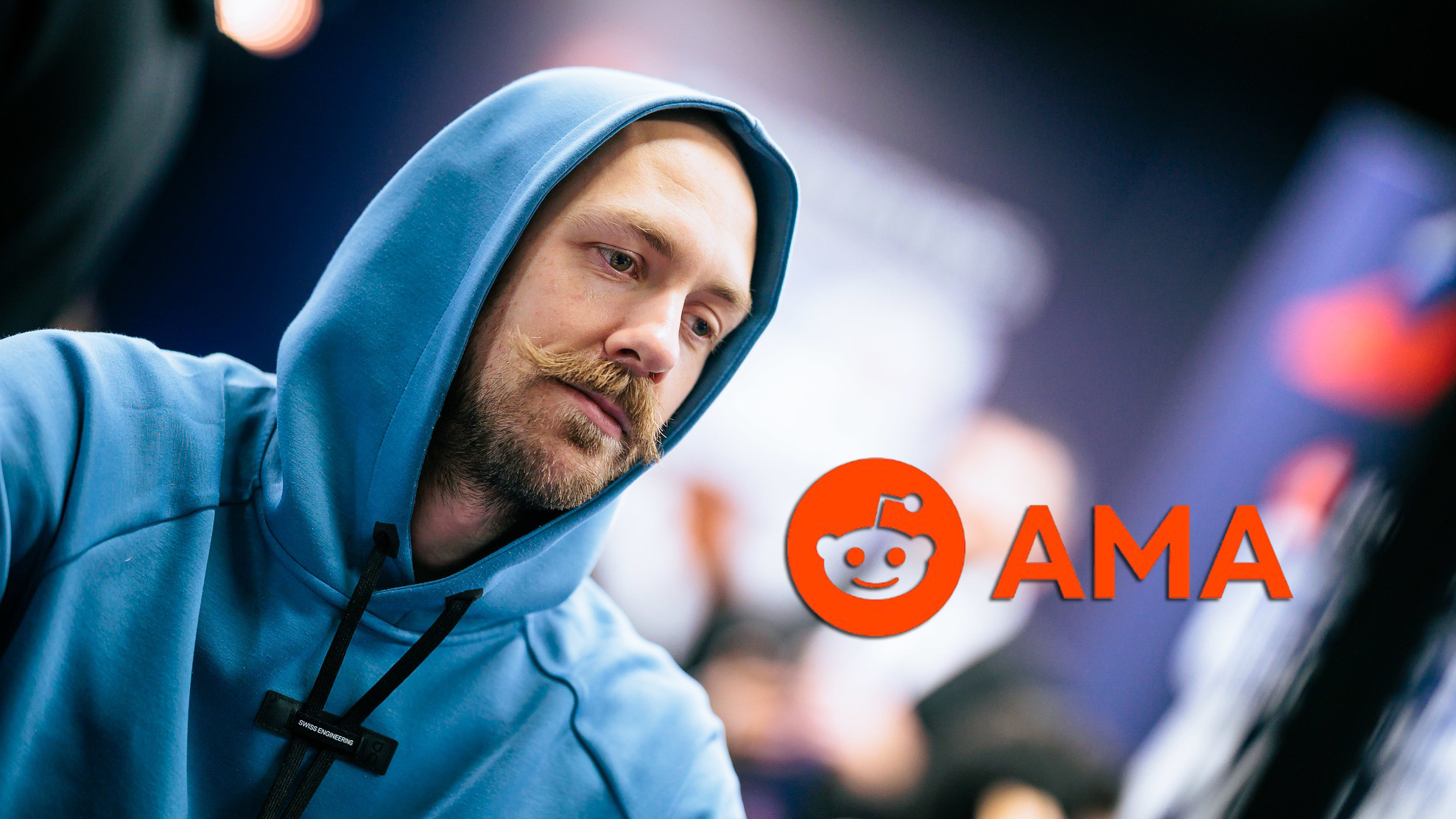
Stephen Chidwick is among the elite in the world of poker. At 37, he's amassed over $76 million in live tournament winnings and earned two WSOP gold bracelets. This ranks him second on the All-Time Money List, just behind Bryn Kenney. Chidwick has earned a reputation among peers as a silent, thoughtful “assassin” — not one for much table talk, always focused on the game, and adept at getting inside his opponents’ heads. Because of his reserved demeanor, when he does share his thoughts, it's worth paying attention.
It's no surprise that his recent Reddit appearance caused a stir, where he hosted an AMA (Ask Me Anything) — a public interview format where fans could ask him any questions. The r/poker community seized the opportunity, bombarding him with curious inquiries ranging from strategies in high rollers to his personal life. Stephen responded earnestly and thoroughly, providing fans a rare insight into his mind and the backstage of success. Here, we bring you the most intriguing revelations from this exceptional interview.
The Real Profit from $76 Million in Winnings
One of the most popular questions came right up front: “Stephen, how much of your $76 million in tournament winnings is pure profit?” Chidwick didn't dodge the question. He confessed that the exact figures from the early years of his career are unknown, but he estimates his actual profit to be “somewhere between 5 and 10 million dollars.” In other words, only about 10 cents of every dollar won remains as pure profit. This revelation surprised many fans — Chidwick's approximately $76 million in lifetime winnings represent just a 6.5–13% real profit. Considering this spans roughly 18 years on tour, it averages out to a few hundred thousand dollars annually. This is indeed a top-tier income, yet far from the fairy-tale wealth one might assume hearing the $76M figure.
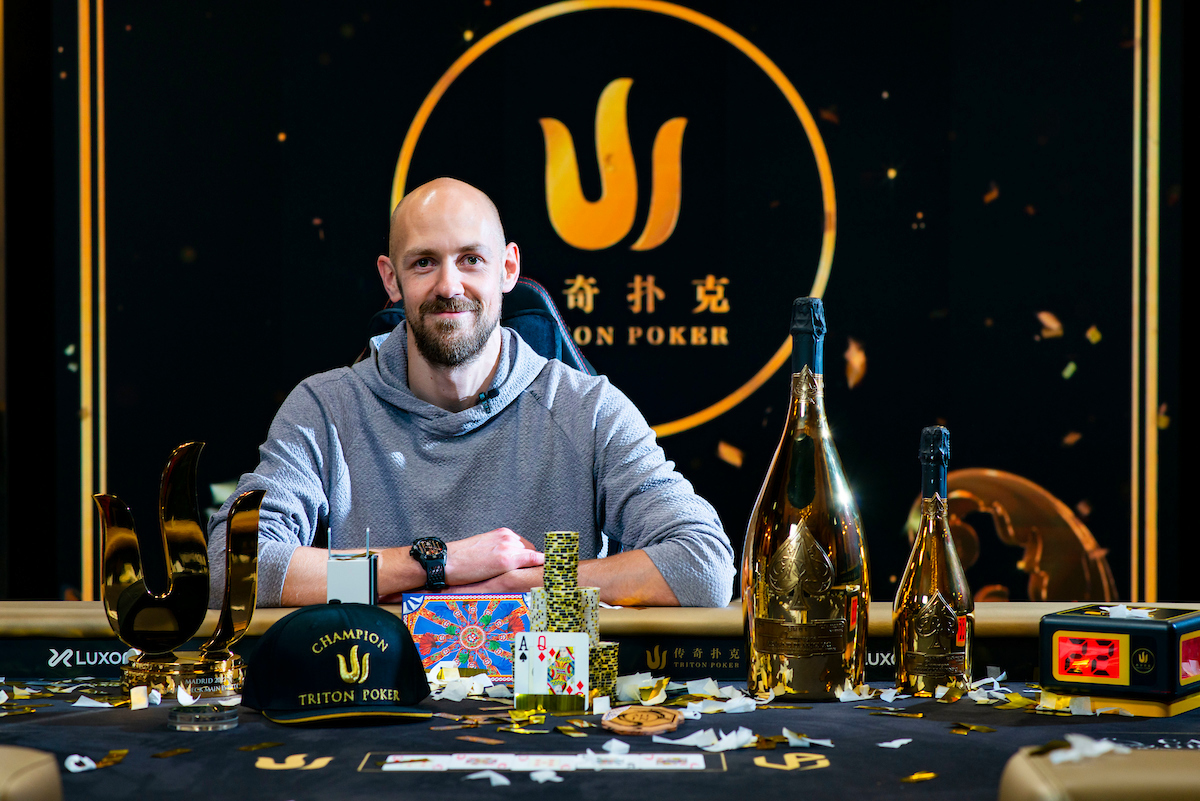
Chidwick also candidly admitted that most tournament players face enormous expenses — whether for buy-ins or through selling and swapping percentages of action. In his case, it’s no different. In every High Roller he enters, he shares financial stakes with 2–3 other players (swapping a percentage of winnings). This underscores why reported “winnings” should be taken with a grain of salt — at the top of tournament poker, turnover is huge, but the margin is relatively small. Chidwick's estimate of 5–10 million in net profit illustrates that even one of the best and most successful poker players can earn less over a career than many might expect.
Tournament Routine and Mental Preparation
Another round of questions targeted his preparation before major events — does Stephen have a favorite routine before a game? Does he listen to music, study strategies, or simply rely on experience? The British pro’s answer revealed his disciplined approach:
“My priority is to maximize sleep. Ideally, I get some light and exercise before the game. If I know my table assignments, I review notes on opponents and set a general plan for handling common situations. Right before playing, I almost always meditate or do some breathing exercises. Sometimes music, other times philosophical or motivational content — depending on what I need at the moment.”
Interestingly, Chidwick doesn't shy away from “soft” events when selecting tournaments. Quite the opposite — he revealed that, when planning his schedule, he focuses not on how many weak players will be there but rather on the event’s buy-in and value. Typically, he prioritizes a larger tournament or series where he can play as many games as possible over smaller, “softer” events. This mentality partly explains how he reached the top — he’s not intimidated by elite competition; rather, it motivates him to keep improving. When asked which events and series he prefers, he responded definitively: “Triton is always a great experience. Also, PokerGO events at Aria are very comfortable and a lot of fun.”
Following my Reddit AMA this week, one question got a lot of attention:
— Stephen Chidwick (@ChidwickStephen) January 24, 2026
“Of $76m in cashes, how much is profit?”
I estimated $5–10m (cashes minus buy-ins).
I figured I’d add some context to these numbers and address a few of of the misconceptions that came up.
🧵👇
Poker in the Solver Era: Intuition vs. GTO
As a player who witnessed the pre- and post-solver era, Chidwick was asked which skill is undervalued in modern tournament poker and how serious career hopefuls should train it. His answer highlighted an interesting paradox of today’s game:
“To me, the most underrated skill is constructing opponent ranges and thinking through a hand from the start — and combining that with intuition. It’s easy to look up a solver solution and not go deeper — not to consider how people actually play and what the sim doesn’t capture. For me, watching hands I’m not in and trying to guess opponents’ specific holdings works. Then I see if I guessed right — and it often surprises me what comes up.”
Of course, the conversation turned to poker solvers and their significance. According to Stephen, strong theoretical fundamentals are a necessity without which you won’t get far. But if you have them, you can still succeed with solid ABC play if you leverage better decisions and intuition against opponents.
“I wouldn’t say solvers are mandatory. There are successful players at the highest stakes who don’t spend much time with solvers — but then you really need good reads and a ‘poker intuition.’ You must have a basic understanding certainly. Then it depends on what you play and your ambitions. You can always position yourself to be better than your opponents — that’s key.”
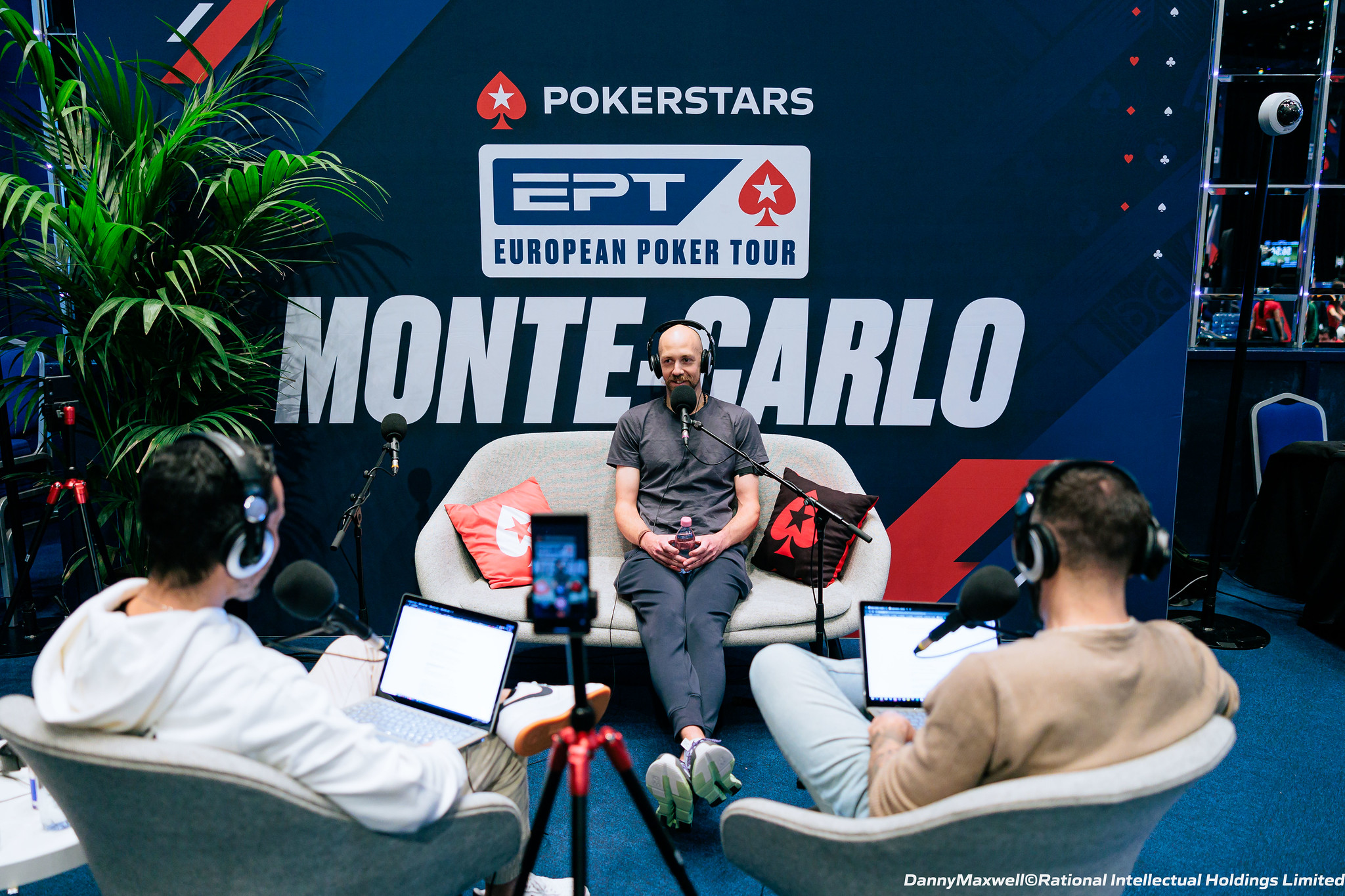
Of course, the conversation turned to poker solvers and their significance. According to Stephen, strong theoretical fundamentals are a necessity without which you won’t get far. But if you have them, you can still succeed with solid ABC play if you leverage better decisions and intuition against opponents.
“I wouldn’t say solvers are mandatory. There are successful players at the highest stakes who don’t spend much time with solvers — but then you really need good reads and a ‘poker intuition.’ You must have a basic understanding certainly. Then it depends on what you play and your ambitions. You can always position yourself to be better than your opponents — that’s key.”
In the AMA, he mentioned the moment he first tried PioSolver. “It was back when solvers were new. I immediately realized what a powerful tool I had and how much I could learn from it. I went all-in on studying it, determined to learn as much as possible because I knew sooner or later everyone would start using these tools.”
As in every AMA, a philosophical question had to surface: strictly GTO or instinct-driven play? Chidwick emphasizes that it’s not either-or. Ideally, he says, you need to balance theoretically optimal play with exploits based on reads. “I always try to combine both in the right measure, depending on how strong my feeling is, how good the opponent is, and what degree of deviation I’d make against them. No one plays pure GTO, so there’s always room to surprise an opponent.”
Unforgettable Game with Doyle Brunson
Among the myriad of questions, a personal one stood out — Which is your most memorable hand in your career? Chidwick shared a story from 16 years ago:
“My 'Rounders' moment came at my first WSOP in 2007. I was playing $10,000 NL 2-7 single draw and sitting with the legendary Doyle Brunson. In one hand, I made a massive bluff against him — I 3-bet his late-position raise from the small blind. I decided not to draw a card — I stayed pat with a low straight, Doyle drew one. I checked, he bet big, and I responded with a check-shove bluff. He mumbled and thought for a moment, but eventually folded. I showed my bluff; Doyle looked at me and graciously said, 'You got me, kid.' It made me feel like the king of the world.”
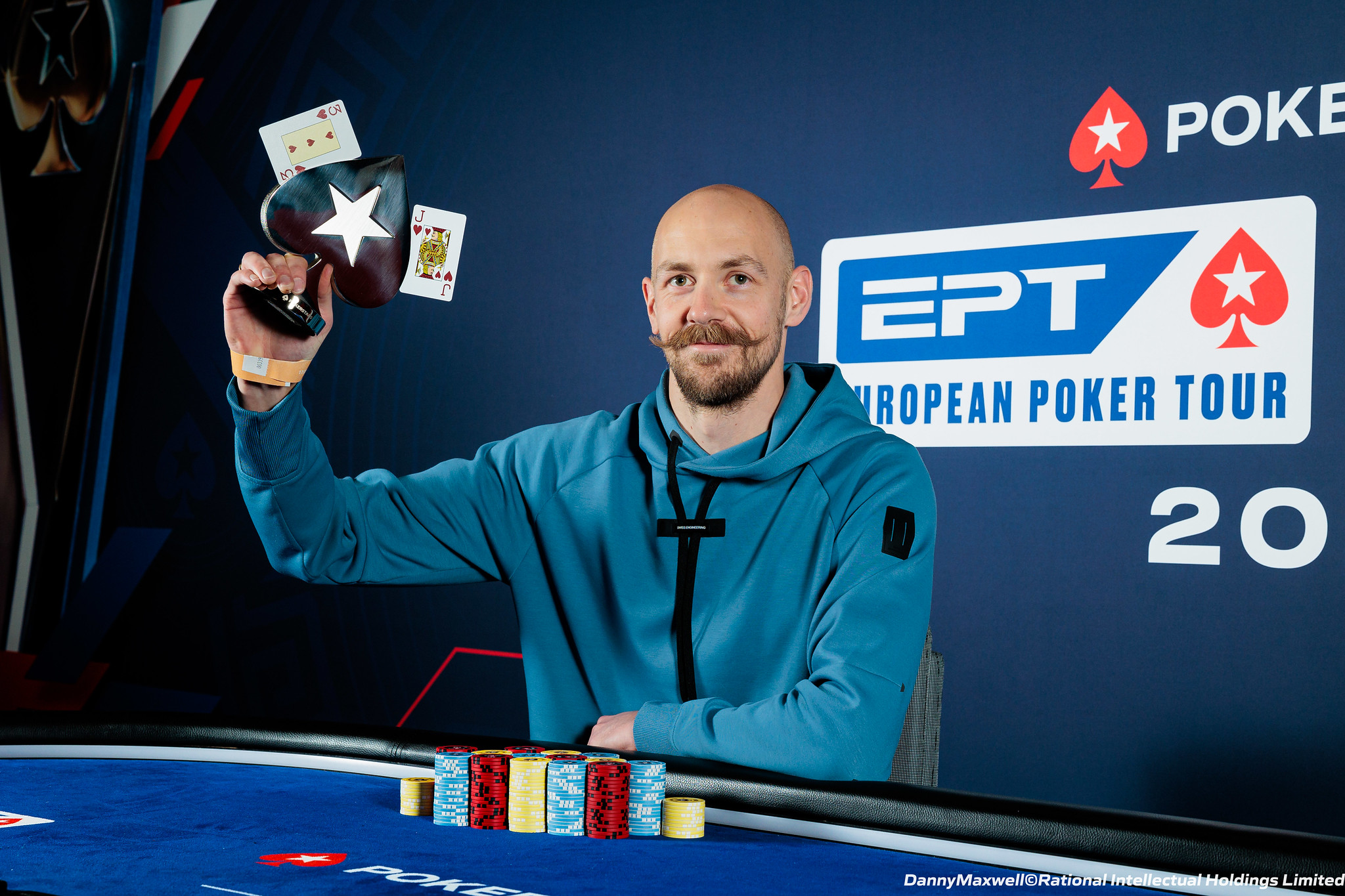
This anecdote, reminiscent of an iconic scene from the movie Rounders (where a young poker talent outsmarts Johnny Chan), perfectly captures Chidwick's bravery when, at 18, he dared to bluff the famous Brunson.
Balancing Travel and Family with Poker
The life of a poker pro inevitably involves travel and long periods away from home. How do you balance this with a private life and enjoy traveling, he answered thus:
“Traveling caught me thanks to events, and I loved it right away. It was easier to combine when schedules were looser. Today, the timetables are packed, and there’s less time to explore places. Mostly, it means if I really want to enjoy travel, I have to do it without a primary focus on playing.”
Finally, he touched on the topic of leisure and non-poker hobbies. “I enjoy spending my free time with family or rock climbing. Naturally, I devote much energy to my work at Octopi Poker, where I’m building a product that showcases the positive aspects of the game. It’s a creative process and work with a great team that I really enjoy.”
Find the full Reddit AMA thread with Stephen here
Other Articles from Reddit Ask Me Anything
Benjamin “BenCB” Rolle – There's No Destination, Only Progress
Daniel Negreanu Talks Poker, Politics, AI, Coolers, and His Legacy
Sources – Reddit, Flickr/PSlive, TritonPokerSeries, HendonMob

