

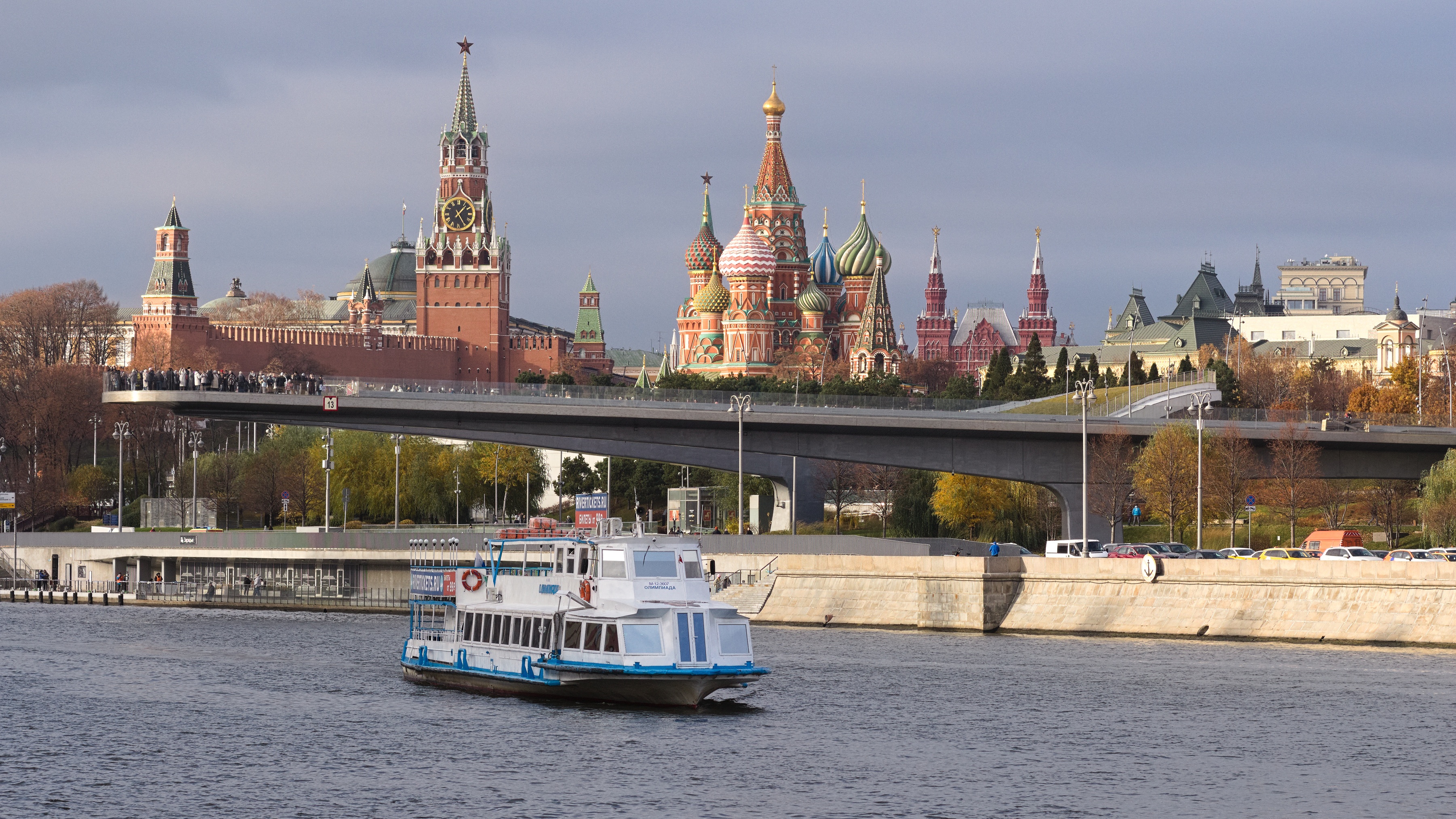
While poker often involves applying pressure on opponents, this time, the pressure is coming from a different source: the budget. According to Reuters, the proposal suggests lifting Russia’s ban on online casinos and setting a tax rate of about 30% on their revenues, with the state expecting up to ₽100,000,000,000 annually (approximately $1.3 billion).
Why Online Casinos and Why Now?
Online casinos have been officially banned in Russia since gambling was confined to strictly designated zones and meant to vanish from the public sphere. However, recent years have shown that the market finds its way. Illegal offerings, payments through foreign accounts, cryptocurrency wallets, and gray platforms represent poorly controlled leaks for the state. That’s why the proposal mentions a model akin to Russia's approach to legal betting: centralized control and oversight of financial flows.
If this feels like “if you can’t beat them, take their rake,” you’re not far off. Instead of endlessly chasing the shadow market, the state could flip the script: license, tax, control— and collect as much as possible (as mentioned, potentially hundreds of millions of dollars).
What This Could Mean for Online Poker and the Entire Scene
From the perspective of the poker community, one thing is key: the proposal centers on online casinos, not comprehensive regulation of online poker. However, this doesn’t mean poker is out of the game. It often happens that once a state opens the doors to regulated iGaming, other formats (including poker) come into play in subsequent rounds—if only because the infrastructure for oversight, licensing, and payments will be in place. For now, it's fair to talk about an initial signal, not a finished 'river card.'
And one more important note: this is only a proposal at the moment—before it becomes reality, it must go through the political process, and strong counterarguments may arise (social impacts, addiction issues, reputational risks, pressure on regulatory bodies). In poker, the most dangerous opponent is the one who changes the pace of the game. If Russia indeed shifts its approach to online gambling, it will change the pace of the iGaming landscape—and players and operators will need to quickly recalculate the odds, considering who benefits and at what cost.
Sources - kommersant.ru, novayagazeta.eu, wikimedia (Retired electrician, CC0, via Wikimedia Commons)

