

This year, the cards are still in the air, but the atmosphere around the L.A. scene tells a harsher story. Regulars describe a market that no longer feels built around tournaments. Daily events have thinned out, series momentum is harder to sustain, and the energy that once pulled players in from everywhere now feels fragmented. The vibe isn’t “festival season.” It’s closer to survival mode.
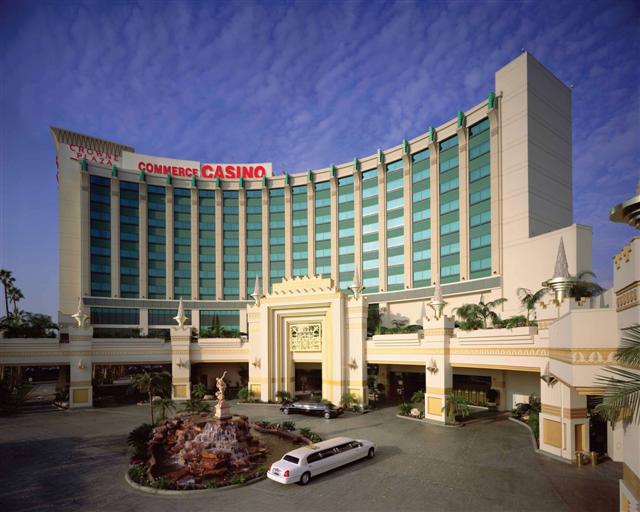
A lot of that conversation circles back to Commerce, historically the region’s flagship cardroom. One of the biggest shifts came after a well-known tournament director, Cavin Quintanilla, departed just days before a major WSOP Circuit stop. For many players, it wasn’t simply a staffing change—it felt like the moment the room stopped treating tournaments as a priority product that needs constant attention, polish, and structure.
The most controversial decision was the cancellation of daily tournaments. Management’s logic was straightforward: tournaments were believed to be hurting cash games. But players see it differently. In most poker ecosystems, dailies are the gateway—new faces come for a buy-in they can justify, enjoy the experience, and some of them stay for cash. Remove that entry ramp, and you don’t automatically create cash traffic—you often just remove traffic, period.
The immediate aftermath didn’t help the perception. Reports from the Circuit stop painted an event that lacked the feel of a major series: minimal promotion, inconsistent staffing, and avoidable friction in crucial moments, including penalties handed out around the bubble that materially changed players’ outcomes. In poker, those stories travel faster than any billboard—and once a room gets labeled as sloppy or indifferent, it becomes hard to win trust back.
The LAPC itself reflects that broader slide. Not long ago, the festival regularly produced a seven-figure first prize. The last time that happened was 2020, and since then the numbers have told a more modest tale. The post-WPT era has stripped away some of the gravitational pull, and recent editions haven’t carried the same “you have to be there” weight. Even when LAPC returned with fresh energy, its flagship events felt priced and structured like regional staples rather than a true national magnet.
What makes this uncomfortable is that the issue doesn’t appear isolated to one building. Other major L.A. rooms have felt the squeeze as well, including series that once reliably crushed guarantees now flirting with overlay territory. That’s the kind of trend that signals something deeper than a slow month—it suggests the market is struggling to keep tournament poker healthy at scale.
Los Angeles isn’t out of the poker conversation. The city still has history, population, and player base that most regions would kill for. But tournament poker thrives on rhythm: daily events feeding bigger events, bigger events feeding prestige, prestige feeding attendance. When that rhythm breaks—when tournaments lose promotion, structure, and consistency—you don’t just lose entries. You lose belief. And belief is what turns a stop into a destination.
Sources - WorldPokerTour, Wikimedia, PokerScout, CardPlayer

