

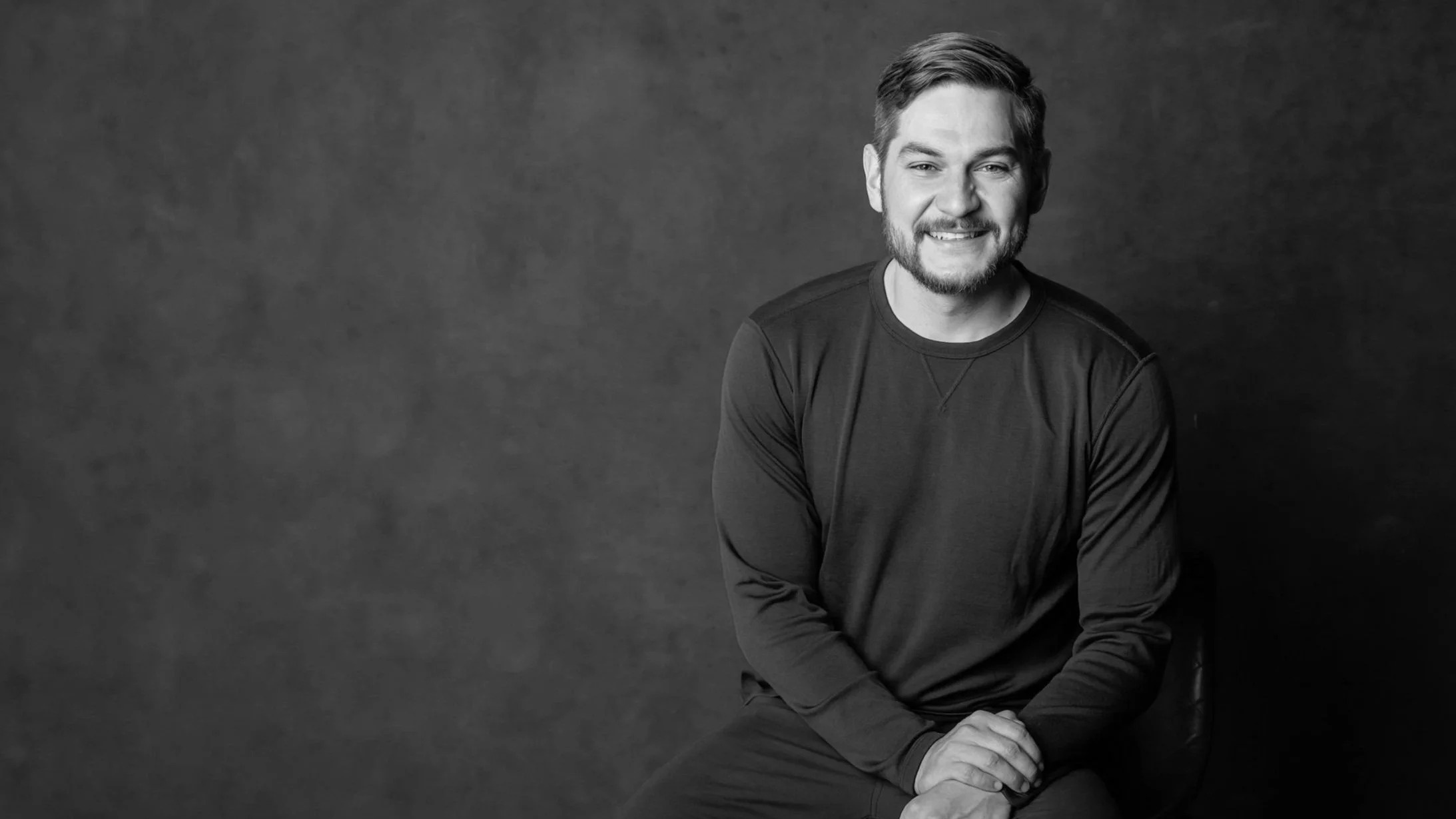
Life Journey and Story
Jared describes how he initially made his living counting cards in blackjack, but the casino atmosphere and his first live games gradually led him to poker. When he moved to Florida, he became part of private games where he built confidence to the level of “I'm the best player in the world,” which he later realized was shattered when he transitioned online. In 2018, he jumped straight into 200NL and received a harsh reality check, showing him that intuition alone wasn't enough without knowledge.
The turning point came when he discovered the GTO world, invested in solvers, and began to study obsessively. Despite this, he stagnated for years because, although he understood the theory, he couldn't implement it in practice—he was playing like a solver, not like a poker player. It was only through working with Kevin Rabichow that he saw the light: he stopped fearing “uncomfortable spots,” understood that poker isn't about finding rules but about strategy in the moment, and became a player capable of creative thinking. This mental shift catapulted him to high stakes.
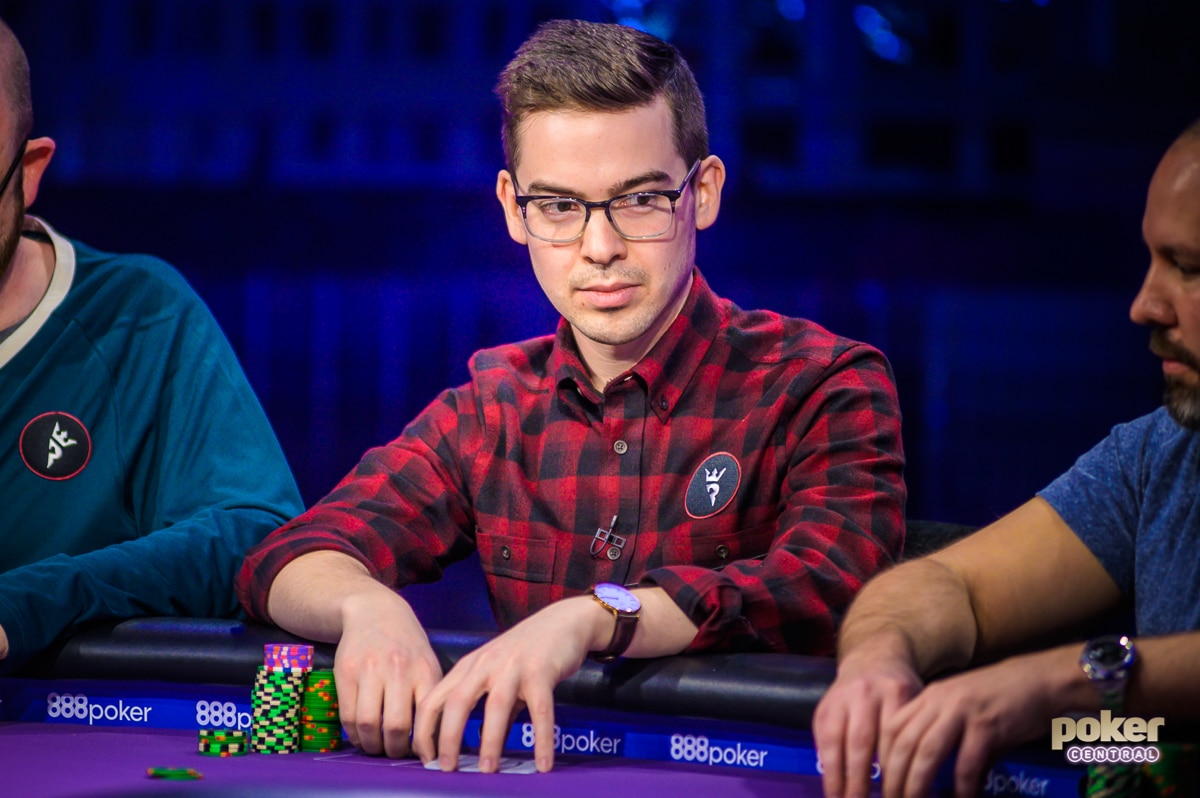
The Current Environment
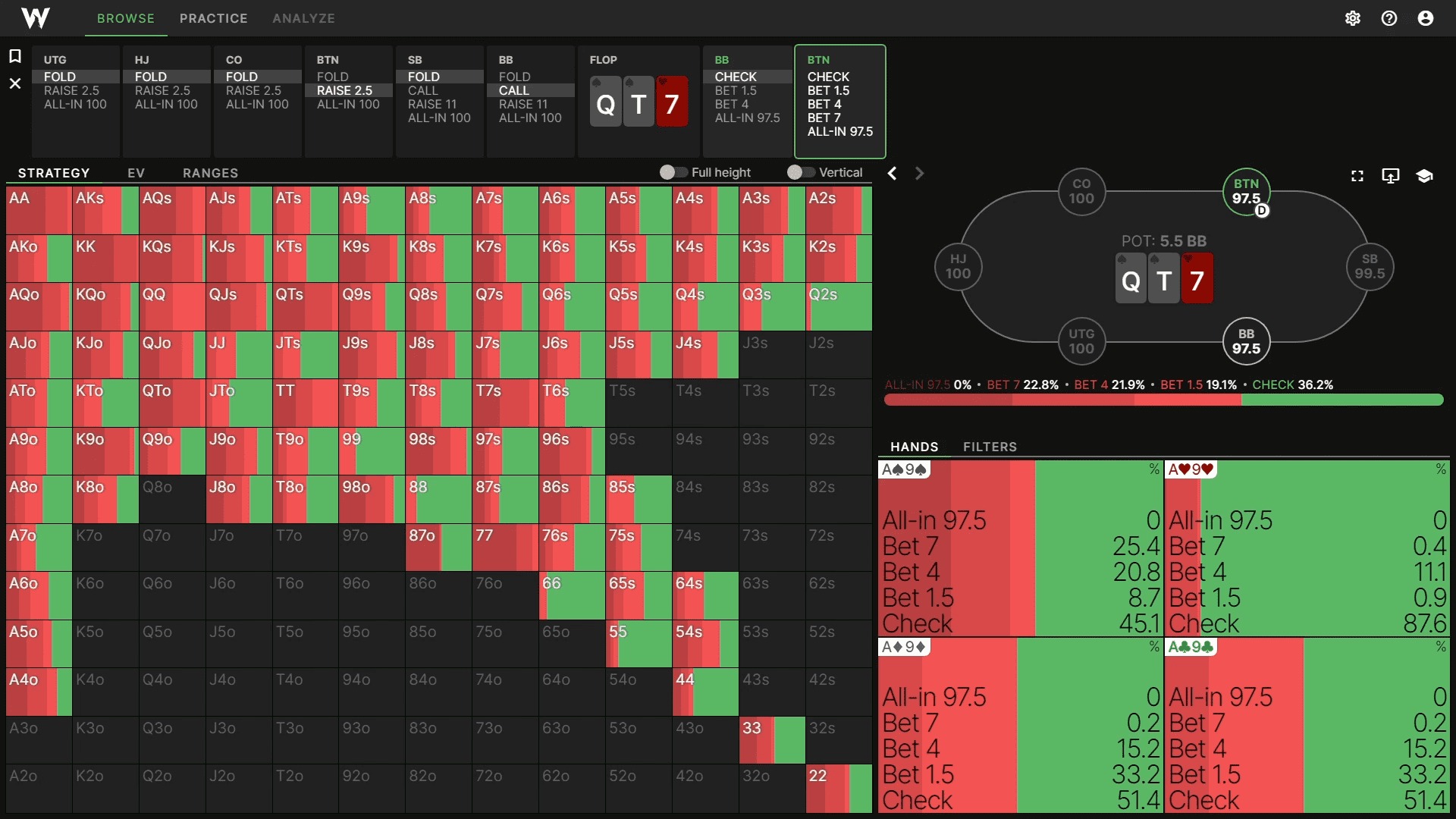
Jared explains that today's high stakes poker is extremely dynamic, which means that rigidly adhering to solver outputs can be more of a curse than a blessing. He argues that most players see GTO as a guideline but forget that humans aren't robots and their strategies evolve over time, creating a space for adaptive play. He gives an example: if a population overbets the turn with too large a sizing and a low bluff frequency, the most profitable approach isn’t to “adjust the strategy slightly,” but to exploitatively change the entire plan.
He also emphasizes that a major mistake modern players make is a blind trust in data and fear of playing creatively. Solver instructions are treated as a shield protecting their ego—if the solver “said it,” they can't be wrong. According to Jared, the best players are those who are willing to experiment, change their approach in real-time, embrace uncertainty, and take full responsibility for their decisions. This mindset, he believes, separates stagnation from true progress.
Presence, Emotions, and Decision-Making Philosophy
The strongest part of the conversation is Jared's take on presence and working with one's mind. He claims that most players try to “switch off emotions,” but doing so hampers their ability to read reality—emotions are data points, not obstacles. He talks about the difference between genuine balance and suppressing feelings, which he sees as the biggest leak in the entire poker world. He teaches that a player must embrace their inner experience, not ignore it, because clear perception of reality is only possible when you don't distort your own signals.
Jared also explains why attention is the most valuable commodity in the game. Creative players focus outwardly, perceiving the flow, timing, and energy of opponents, while weaker players turn inward, analyzing their fear and searching for the “right solution.” He teaches the opposite—outward attention during the game, inward focus when making big decisions. He sees this model as the only way to achieve flow and make quality decisions even without perfect solver explanations.
“Everyone who finds their path in poker eventually finds it in their own way—not according to someone else,” says Jared as he explains why there is no universal recipe for success. He asserts that if a player refuses to experiment out of fear of temporary losses, they doom themselves to stagnation and will never understand the limits of their potential. “The most precious thing we guard at the table is not our stack, but our confidence.” When players play not to “look stupid,” they cease to be dangerous. This passage leaves the podcast open—with examples worth listening to directly in the video, as they are incredibly sharp yet profoundly true.
At the end of the interview, Jared talks about why he moved from high stakes playing to coaching—discovering that the growth of others fulfills him more than competition. His philosophy today is based on the idea that poker isn't a goal, but a journey that can shape a player mentally, emotionally, and as a person. He emphasizes that the highest level of play arises not from perfection but from the willingness to embrace uncertainty and create solutions in real-time. He tells players that the future of poker belongs to those who can blend logic with freedom, theory with intuition, and discipline with experimentation. And that if they want to grow, they must stop playing as they “should” and start playing as they truly perceive the game.
More from Chasing Poker Greatness
Stephen Baker on Chasing Poker Greatness: Most Players Know What to Do – But They Don't Do It
Sources – Podcast Chasing Poker Greatness, Wikimedia, jaredalderman, X, PokerStake, GTO wizard

