

Right at the start of the interview, Haxton describes his tournament routine, which has remained unchanged for years. He wakes up about two hours before the game, takes caffeine, naps briefly, meditates, and only then moves to the table. He skips breakfast, keeps food intake to a minimum during the day, and only eats a substantial meal after the game. Not because it's the ideal routine for everyone, but because it keeps him feeling mentally sharp.
Meditation has been a part of his life for over fifteen years and he sees it as a key tool that helps him stay calm and less impulsive, not just at the poker table but in life. As he puts it, the idea of starting a day without meditation is more unsettling to him now than calming.
Precise Sizing as a False Obsession
One of the podcast's main topics was criticism of how players use solvers. Haxton claims that in the early years of the solver era, people were obsessed with finding the “correct” bet sizing for every situation. He believes this is largely a marginal concern. Real mistakes emerge only when a player makes extreme decisions, yet even those are often smaller than the community realizes.
According to Haxton, it‘s far more important to understand which parts of the game recur frequently and have a significant long-term impact—like common flop situations in single-raised pots—rather than spending hours analyzing specific river spots that come up once in thousands of hands.
Curiosity Over Perfectionism
Haxton considers himself driven more by curiosity than perfectionism. He admits that many players respond to mistakes by trying to analyze them in detail to ensure they never happen again. While this can work, it often leads to unnecessary pain and inefficient study.
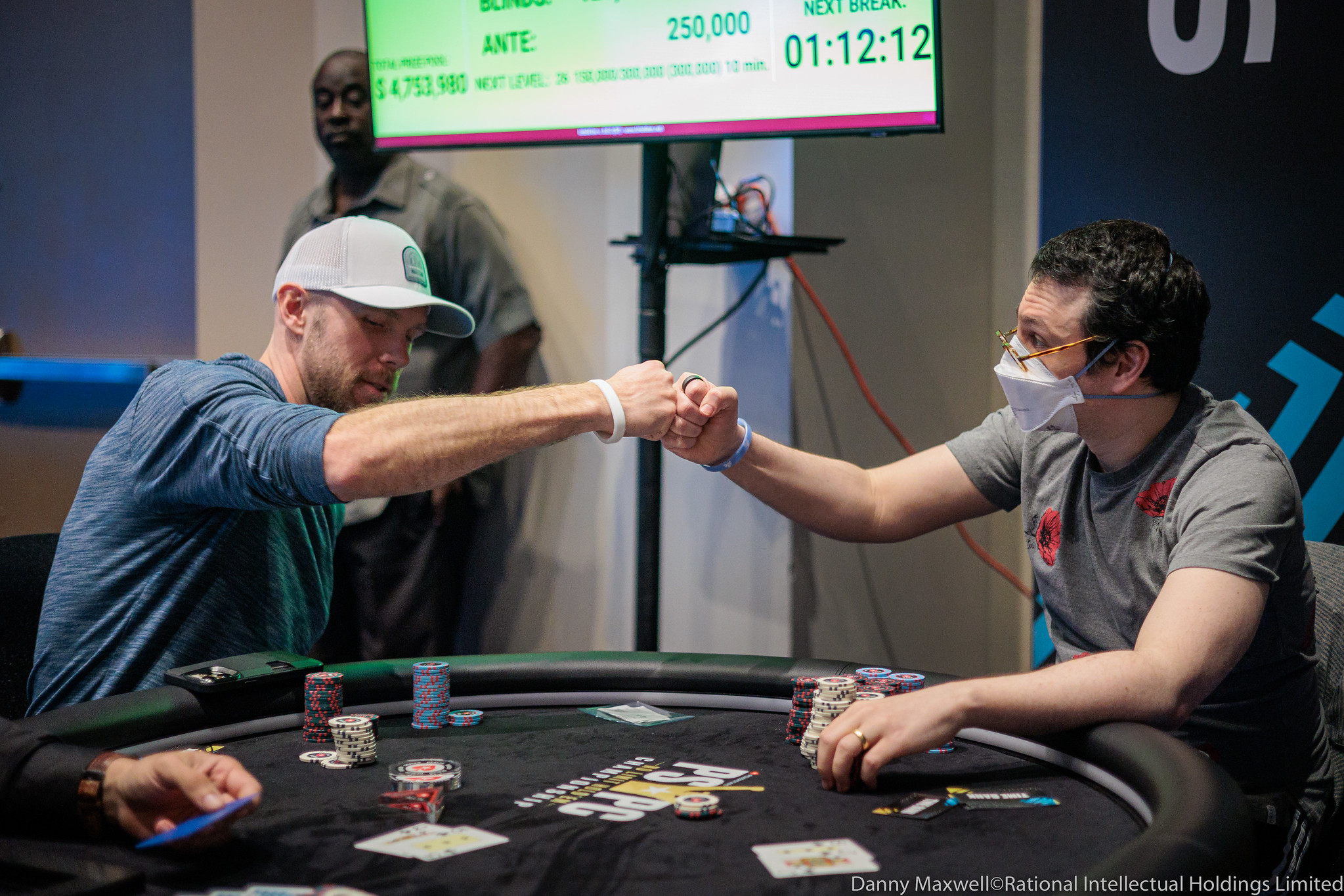
In the high stakes tournament environment, reputation plays a significant role, according to Haxton. He openly states that respect from other players and backers is practically essential to remain in the biggest games. That’s why many players are extremely sensitive to how their game appears outwardly.
Losing Without Emotion
One of Haxton’s standout traits is his ability to handle losses. According to him, it's a blend of innate disposition and long-term conscious training. Losses can affect him, but he doesn’t try to fight or suppress them. Instead, he notices, accepts, and lets them go. Meditation significantly aids him in this process, teaching him to see emotions as temporary states with no need to impact future decisions. Haxton also notes the advantage of being at a career point where short-term financial swings do not substantially affect his quality of life.
An interesting thought from the interview is the connection between the joy of winning and the pain of losing. Haxton agrees that if a player wants to take losses lightly, they must also be willing to emotionally detach from wins. Extreme celebrations of success inevitably lead to equally extreme lows during tough times. Personally, he finds it more vital to judge a day by the quality of decisions rather than the outcome.
Poker as an Endless Process
In conclusion, Haxton emphasizes that despite decades of experience, he doesn't feel close to reaching the edge of understanding. Especially in tournament situations, ICM decisions, and final tables, there are still vast unanswered questions for him. This infinite depth is precisely why poker captivates him.
As he puts it, a day when he'd sit down to study and have nothing to tackle is something he can't imagine. This approach—calm, curious, and unfazed by short-term results—is one of the main reasons Ike Haxton has remained at the top for so long.
More from the GTO Lab Podcast
Alex Kulev: What You Need to Change in Your Mindset to Make the Leap to High Stakes
Leon Sturm: Independent Thinking in the High Roller Scene
Orpen Kisacikoglu: Solvers Provide Quick Answers, But Take Away the Thinking Process
Alex Ponakovs: Why Independent Thinking is More Important Than Blindly Following Solvers
Nick Petrangelo: In $100k Events There Aren't Weak Players Anymore, So There's More Work to Do
Daniel Negreanu: Being at the Top of Poker for Years is Hard Work, Not Luck
Fedor Holz: I Used to Want Wins, Titles, and Money. Today I Want Happiness
Sources – GTO Lab Podcast, Flickr, PokerNews

