

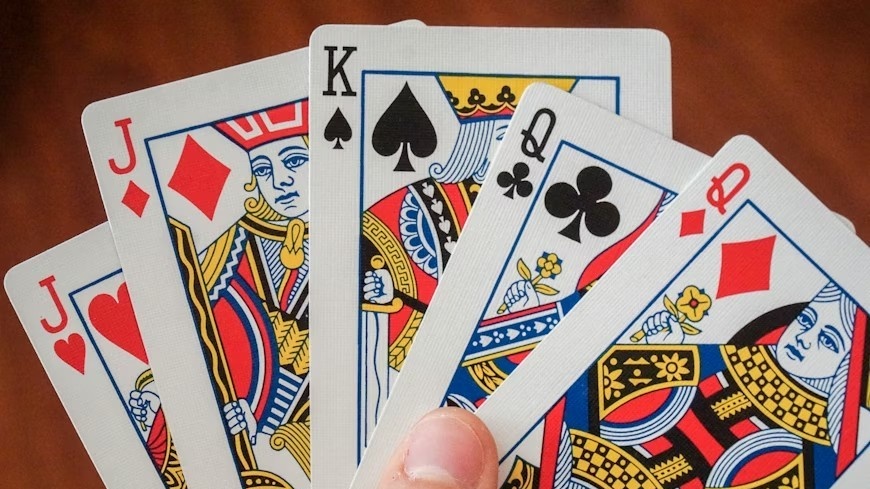
Photo by Izzy Park on Unsplash
Balanced Play
One of the biggest misunderstandings about GTO is thinking there’s a perfect move for every hand. Top pros know that’s not how real tournaments work. Stacks change, tables change, and players don’t always behave the same way online. Balance is what keeps things steady.
In Canada, for example, online gaming keeps expanding as players test different platforms, including some of the new casinos Canada has to offer. Each of these platforms has unique features and updates that attract players. Player behavior that favors testing can’t be changed, and forces operators to adapt. It is the same idea behind GTO: nothing stays fixed, so balance and adaptability become the key.
Now, for Poker pros, balance in practice means making your actions in a way that keeps opponents guessing. A pro might bet the flop with a really strong hand, a medium hand, or even a weak hand. Folding too often or only betting strong hands makes them easy to target. It might look random when a pro bets weak hands, but it’s not. They’re just keeping their options open and protecting their range, even when their plays seem a little strange.
Base Strategy
Real tournament play is messy. You don’t get clean data, perfect information, or opponents who behave exactly how you want. That’s why elite players use GTO as a base, then adjust from it. If a table is full of passive players, sticking rigidly to GTO raises means leaving money behind. If someone keeps over-folding to 3-bets, the pro widens their range and punishes it.
GTO gives pros a reference point. It shows what a balanced, unexploitable strategy looks like. From there, they watch how opponents play and look for mistakes. If someone folds too much or calls too often, the pro adjusts to take advantage.
The goal isn’t to follow GTO perfectly. It’s to use it to spot your opponents’ mistakes and rub your hands while smirking as they hand you chips they didn’t even know they were giving away. In a global online poker market expected to reach $37 billion by 2030, that’s exactly the kind of edge you want.
Bet Sizing
While amateurs size bets by gut feeling, pros think in ranges. GTO shows them which hands should be small, which should go large, and which belong in check-back ranges. It helps them know when to bet, raise, call, or fold so opponents can’t figure out their strategy.
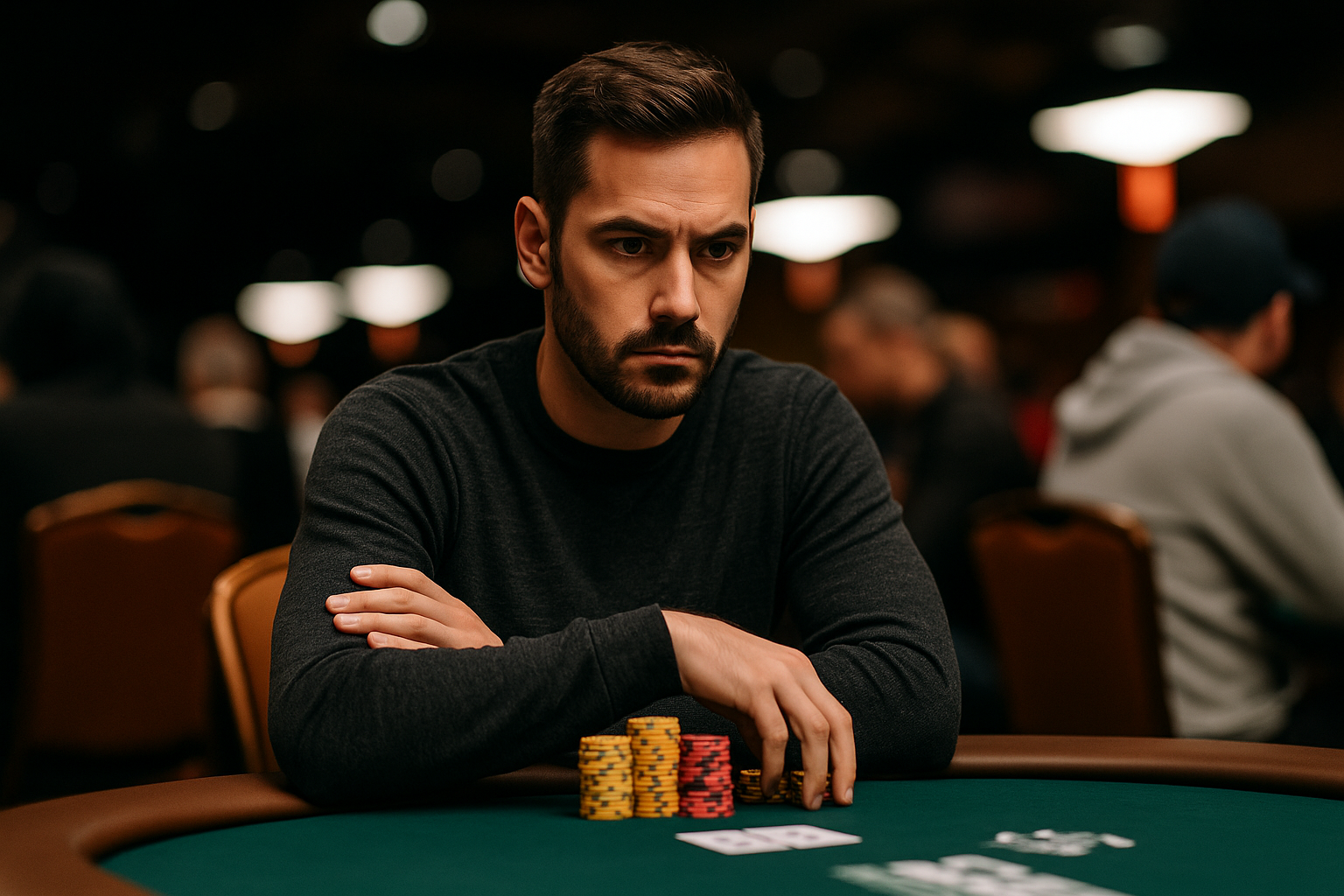
In real tournaments, bet sizing becomes a kind of table language. A small flop bet shows that a hand connects but keeps options open. A big turn bet screams either the nuts or a story so convincing that no one can continue without a solid hand. It’s a way to guide your opponents’ decisions while keeping your own options flexible. Even when they stray from GTO sizing, pros know exactly why. They’re basically practicing Sun Tzu at the table, making every bet into a mini art of war.
Handling Pressure Spots Calmly
Tournament poker creates a thousand tiny panic moments. With over 100 million poker players worldwide, tables are quite competitive. Still, short stacks, bubble play, big ICM pressure, or sudden all-ins can make weaker players make decisions they'll regret later. Knowing how to read opponents and adjust quickly is what really sets pros apart.
Pros lean on GTO to stay steady. They know what their shove ranges should look like with 12BB. They know which hands are supposed to defend from the big blind, even when they don’t feel right. They know when the math simply demands a call. This structure protects them emotionally. You can’t spiral when you trust your framework.
On the bubble is where GTO training shines the most. They understand how much pressure ICM puts on their opponents, and they turn the screws on players who tighten up too much. If you think that’s luck, you’re missing just how pros spot and exploit every bubble pressure moment.
Understanding Board Textures
Recreational players look at their own hand first. Pros look at the board, then the ranges. GTO trains them to break down boards instantly to see who has range advantage, who has nut advantage, which hands are supposed to bet, and which ones need to slow down.
This is why a pro can fire three barrels on a dry ace-high board but check back on a wet queen-ten board, even with similar holdings. They’re not just choosing to be aggressive or passive. Instead, they read the board and move with it. Like eagles riding the wind instead of fighting it, pros go with the flow and hit when the moment’s just right. In tournaments, this approach can save entire stacks.

