

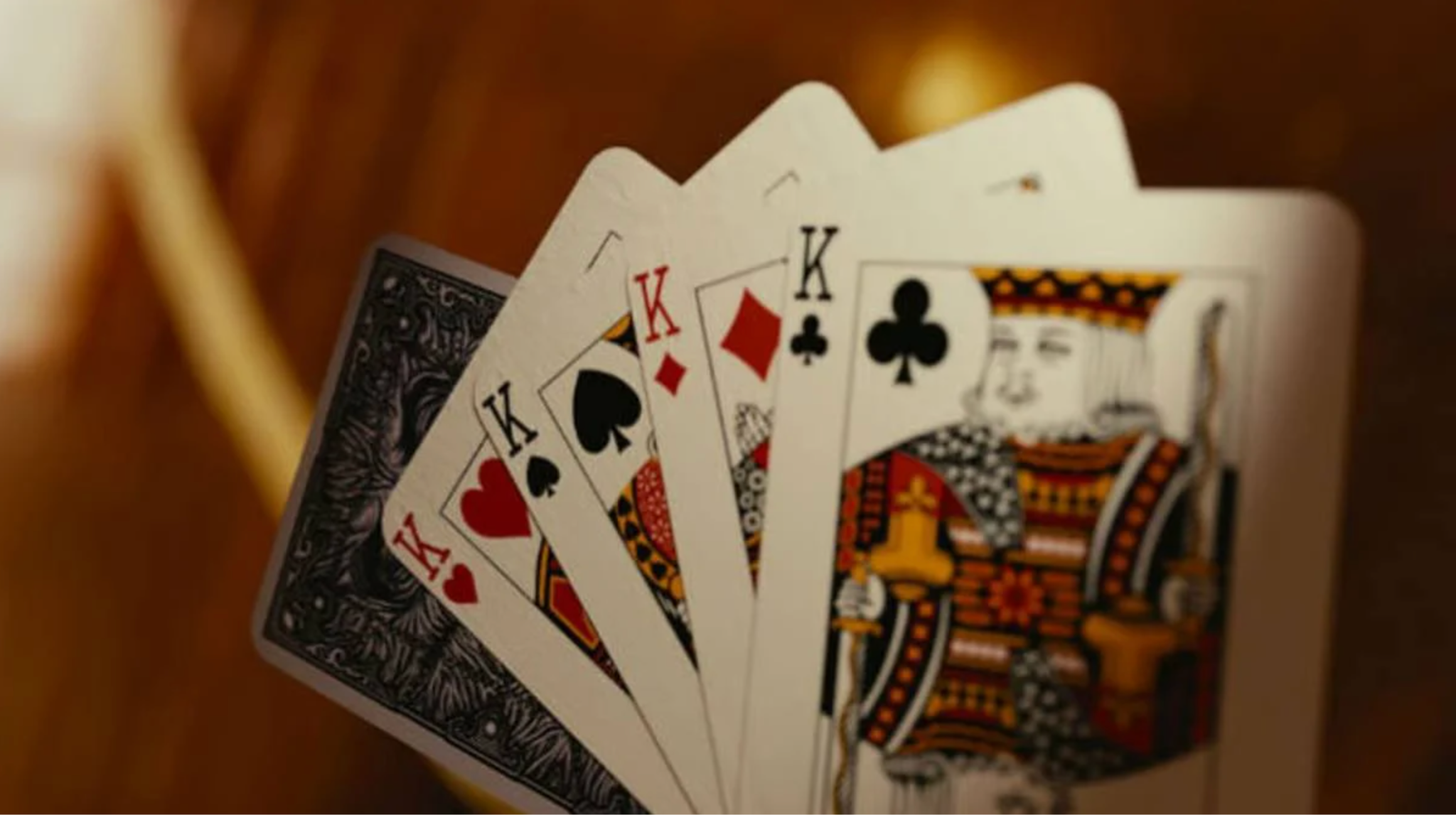
To reach a professional level, you need to treat poker as both a business and a way of life. Every decision at the table matters, but so do the choices you make off the table—studying opponents, reviewing past hands, and managing your bankroll all contribute to long-term success.
In this article, we’ll explore the mindset, strategies, and habits that set professional poker players apart and how beginners can start developing them.
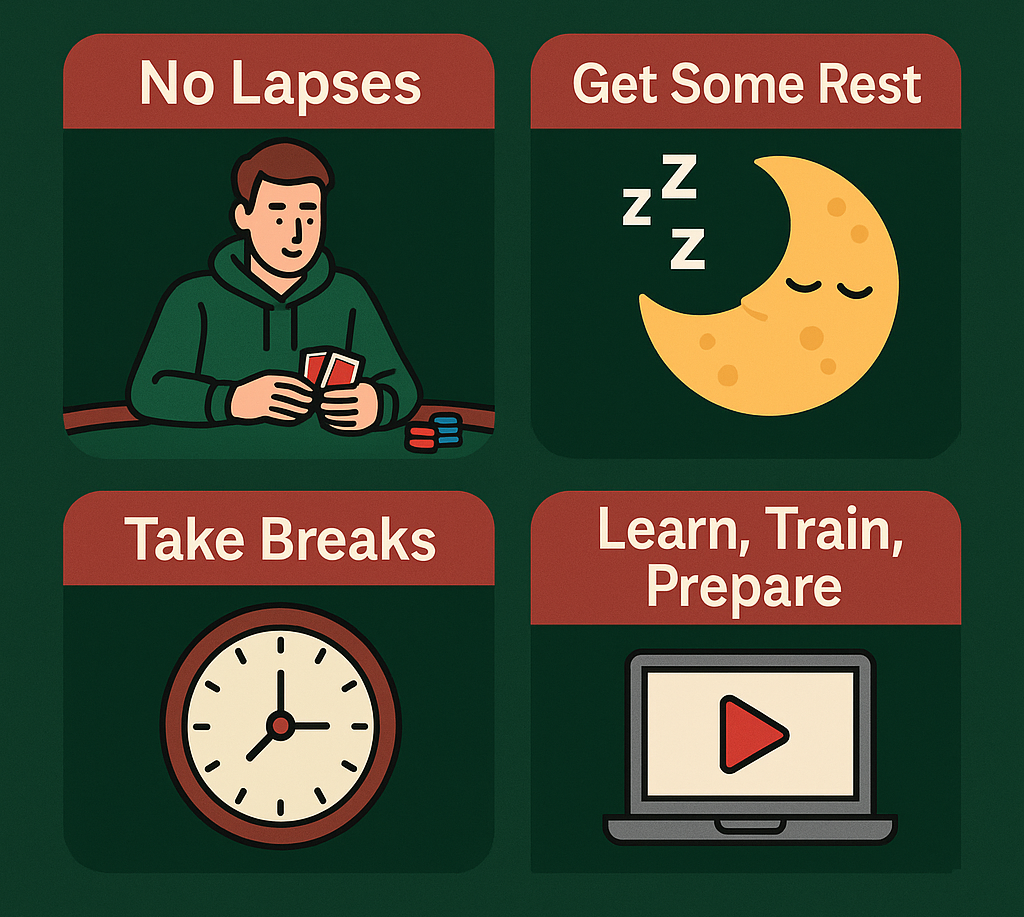
No lapses
Poker pros must be able to handle deviations and not let bad beats negatively affect their game. Optimal play is based on logic, not decisions driven by emotions. To be consistently profitable, you need to keep your emotions firmly under control. Every player experiences bad beats—that’s normal. However, sharks take advantage of weaker players, especially when they are upset by losses. A professional does not let bad beats take control of their own game.
Some pros are aware that they struggle with bad beats. They may lose more chips and continue buying in after every loss. While this tendency is not ideal, simply recognising it is helpful. Many pros manage it by setting a daily loss limit for themselves.
For example, if they lose more than a certain number of bets in a day, they stop playing. No matter how tempting it is to Richard Casino no deposit bonus again during the day, it’s important to know your limits and set boundaries for yourself. This allows them to recover, regain emotional control, and protect their bankroll from being completely depleted.
Get some rest
It cannot be emphasized enough how important it is to get enough sleep every night. The human brain cannot function at its best when sleep-deprived. That’s why it’s essential to get at least 7 to 8 hours of sleep consistently.
Poker players can set their own schedules, but games often last a long time. Whether it’s marathon cash games or multi-day live tournaments where you play 12 hours a day, the mental strain can be exhausting. To maintain an edge over other players, you need to stay alert and mentally sharp. Getting enough sleep every night helps you remain focused and ready to play at your best.
Just think about it: in a tournament, a single bad decision can cost you everything, whether you’re a beginner or chasing a big cash prize. Rest is a vital part of poker. By taking care to sleep enough each day, you minimise mistakes and ensure you can make the most optimal decisions every hand.
Take breaks
Staying alert for hours on end can be exhausting. Luckily, tournaments usually have scheduled breaks, and in cash games, you can step away whenever you need. Take advantage of these breaks whenever possible! Even a short pause can help you stay fresh, focused, and make better decisions at the table.
It’s also important to take longer breaks when needed. If you’re losing too much, feeling emotionally drained, making poor decisions, or just not in the mood to play, consider taking a day—or even a week—off. This downtime can help you recharge, regain perspective, and return to the game with renewed energy and focus.
Remember, taking a break doesn’t mean giving up. Whether it’s a few minutes or several days, stepping away can help you recover after a losing streak and come back stronger, sharper, and ready to play your best poker.
Don't play other Vegas games
Believe it or not, this advice applies not just to live players. Even online poker sites often have links to other Vegas-style games, tempting you to try them out. Remember, games other than poker don’t improve your skills. They are purely games of chance and always favour the house. Even if you make some short-term gains on slots or other table games, in the long run, the house always wins.
Poker is different. Here, you can control your expected value (EV) by using your skills to outplay opponents. You can fold weak hands to minimise losses and raise strategically to maximise winnings. For serious poker players, it’s smart to stick to poker and leave the “professional gambler” label to those focused on luck-based games.
Holistic wellness
Scientific studies show a strong connection between the mind and body. You can’t expect to have a sharp mind if you neglect your physical well-being. Likewise, you can’t be fully healthy if you ignore your mental well-being. To make the best decisions at the poker table, you need to take care of your body as well as your mind.
Aim for at least 30 minutes of physical activity, three times a week. Setting a regular routine makes it easier to stick to your plan without overthinking. Healthy eating is also crucial for poker players. Sitting for long periods requires mental alertness, and your diet plays a big role in this.
Occasional junk food or fried food is fine, but it shouldn’t form the core of your diet. Avoid excessive carbohydrate-rich meals, as they can make you sluggish during play. Always pay attention to what you eat, whether at the table or away from it, stay active, and keep your body and mind in optimal condition every week.
Learn, train, prepare
Like any profession, mastering poker requires constant learning and practice. To stay at the top of your game, you need to test new strategies, refine existing ones, and stay aware of the latest trends. Be open to new ideas, tips, techniques, and ways of playing.
In poker, half of your success comes from preparation and the other half from the game itself. Just like a football player wouldn’t step onto the field without warming up, practicing, and wearing the right shoes, a poker player shouldn’t skip training rounds or post-game reviews. Regular practice and reflection are essential for improvement.
Here are some ways you can train and improve your skills:
Hand reviews
Many HUDs allow you to mark hands you have recently played for later analysis. You can review them alone or with another player for a second opinion. Analysing hands is crucial because online poker often forces quick decisions. Reviewing your play helps identify mistakes and improve your strategy over time.
Friends
Talking with poker friends is an easy and interesting way to improve. You can discuss individual hands, playing styles, and strategies while staying focused on your own game. Creative discussions with friends often reveal new perspectives you might not have considered.
Forums
Not everyone has poker players nearby for face-to-face analysis. Online forums let you connect with a global community of players. You can get multiple opinions at once, exchange strategies, and make valuable connections with other poker enthusiasts worldwide.
Coaches
Poker coaching has become popular, with some high-profile pros charging thousands for an hour. However, there are also affordable coaches with proven track records who can help you improve quickly. Choose a coach with results, a good reputation, and a playing style you respect.
Training videos
Many websites offer training videos for beginners and experienced players alike. These videos analyse hands, explain strategies, and share insights from professional coaches. Watching short videos before each session can help you mentally prepare and apply new concepts directly to your game.
TV programmes
Televised poker is mainly for entertainment, but it can teach strategic subtleties. Watching amateurs and professionals interact helps you understand different player types. You can also mentally step into each player’s shoes and consider how you would play a hand.
Poker training apps
Mobile and web-based poker apps let you practise hands in different situations against virtual opponents. You can learn, train, and receive feedback without risking real money. These apps provide near-real gameplay experiences and help you understand why certain strategies work better in specific scenarios.
Constant engagement
If poker is a big part of your life, it gives you a major advantage. Regular engagement, learning, and practice strengthen your skills and improve results over time. Consistency is key—dedicated players see the biggest growth in their abilities.

More tips on the game
Poker is a game of skill, patience, and observation. Even small insights can make a big difference, so paying attention to every detail at the table is crucial.
Identify the fish
Fish are the players who make poker profitable for the sharks. Without fish constantly bringing new money into the game, existing funds would just circulate between regular players, and the house would take a larger share. When you play, learn to spot the fish and figure out how to counter their playing style. Wait for the right moment to exploit their weaknesses, then strike!
Get to know your opponents
Understanding your opponents and adjusting your play is what separates amateurs from professionals. Beginners often play based only on their own cards. Pros, on the other hand, play based on what they think their opponents hold. Observe tendencies, habits, and patterns, and learn to counter their strategies effectively.
Be aware of your table image
Always pay attention to the image you project—tense, relaxed, passive, aggressive—and how it influences your opponents. Try to determine whether they understand your style and are looking for ways to exploit it. Only by fully understanding their perception of you can you play intelligently and take control of the table.
Choose the right table
Table selection is crucial. Avoid tables filled only with competent regulars at your level or better—they won’t make enough mistakes for you to profit. Money is made by exploiting opponents’ errors, and inexperienced players make the most mistakes. Pick tables with weaker or less experienced players first, then focus on outplaying them.
Be disciplined
Discipline is key in poker. Make a plan and stick to it. For instance, if you set a daily loss limit, stop playing once you reach it. If you’ve had a drink before a session, make the smart choice and skip playing. Simple rules like these protect your bankroll and keep your mind sharp.
This book has shared insights into the world of professional poker and described strategies to help you improve and move toward becoming a pro. However, to reach the next level, you must have the discipline to implement and follow these strategies consistently.
Need more tips on becoming a poker pro? Check out our concluding remarks for additional advice and guidance.

