

Expanded Schedule and New Records
The biggest difference at the 1973 WSOP compared to previous years was the expanded schedule. While earlier editions had minimal events, the 1973 WSOP featured six side events and the culminating Main Event. The number of Main Event participants rose from eight to thirteen players. A new attendance record was also set earlier with the $1K Limit Razz tournament, which attracted 32 players.
Another new thing was the introduction of the first official tournament director, tasked with resolving complaints about the structure and organization. Eric Drache was appointed to this role and became a pivotal figure in the WSOP, contributing many groundbreaking ideas over the years and earning a spot in the Poker Hall of Fame in 2012.
|
Tournament |
Entries |
Winner |
Prize |
|
Event #1: $4K Limit Seven Card Stud |
8 |
Puggy Pearson |
$28,000 |
|
Event #2: $1K Limit Razz |
32 |
Sam Angel |
$32,000 |
|
Event #3: $3K Limit A-5 Draw Lowball |
7 |
Joe Bernstein |
$21,000 |
|
Event #4: $3K No-Limit 2-7 Draw Lowball |
11 |
Aubrey Day Jack Straus |
$16,500 |
|
Event #5: $10K No-Limit Five Card Stud |
1 |
Bill Boyd |
$10,000 |
|
Event #6: $1K No-Limit Hold’em |
17 |
Puggy Pearson |
$17,000 |
|
Event #7: $10K No Limit Hold’em Main Event |
13 |
Puggy Pearson |
$130,000 |
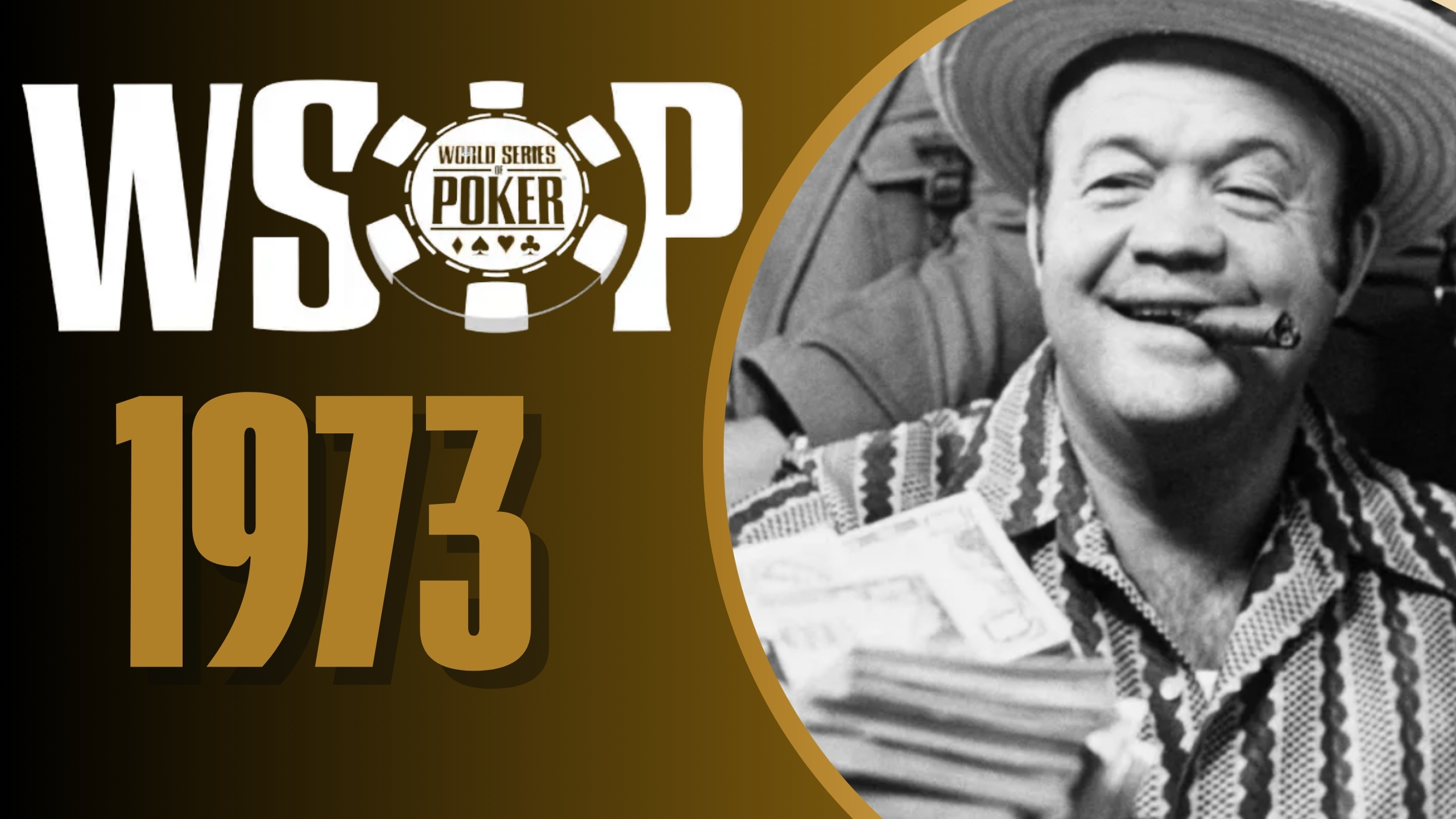
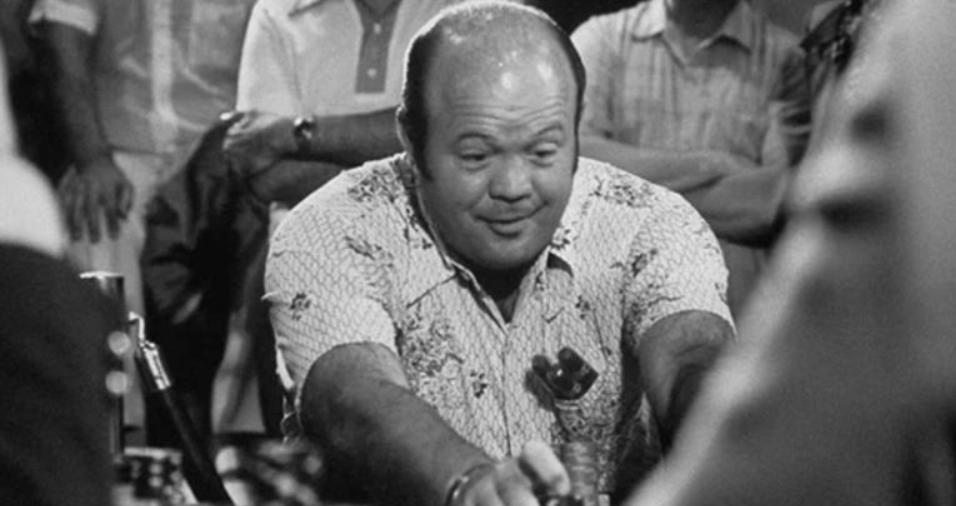
Puggy Pearson dominated the side events this year. He became the first player in WSOP history to win more than one side event in a single series. Pearson started with a victory in the opening $4,000 Limit Seven-card Stud and then warmed up with a win in the $1,000 No-Limit Texas Hold'em just before the Main Event.
Other notable occurrences included:
-
Shared Title (Event #4): The $3,000 No-Limit 2-7 Draw Lowball tournament concluded with a historic moment. For the first time in WSOP history, two players shared the title. Aubrey Day and Jack Straus decided to split the prize after a 20-hour heads-up battle, each taking home $16,500. It wasn't only about splitting the prize; they were officially declared co-champions. Straus needed sleep before the upcoming Main Event, which led to their decision.
-
Tournament with One Entrant (Event #5): In the $10,000 No-Limit Five-card Stud, only one player, Bill Boyd, registered. Boyd, who had won the same format in 1971 and 1972, had no opponents and automatically received the bracelet and the $10,000 prize. Boyd was considered the best Five-card Stud player at the time, and no one wanted to risk losing $10,000. He became the first and only player in history to win a title without playing a single hand.
-
Sam Angel won the $1,000 Limit Razz in a record field of 32 participants. The tournament clearly demonstrated the rising popularity of the WSOP.
Main Event: A Clash of Titans
The Main Event attracted 13 participants, setting a new record for the time. For the first time, it was played across two tables. The growing allure of the WSOP was evident. Unlike previous years, players had to pay the full buy-in themselves, as Benny Binion no longer needed to cover half the entry fee.
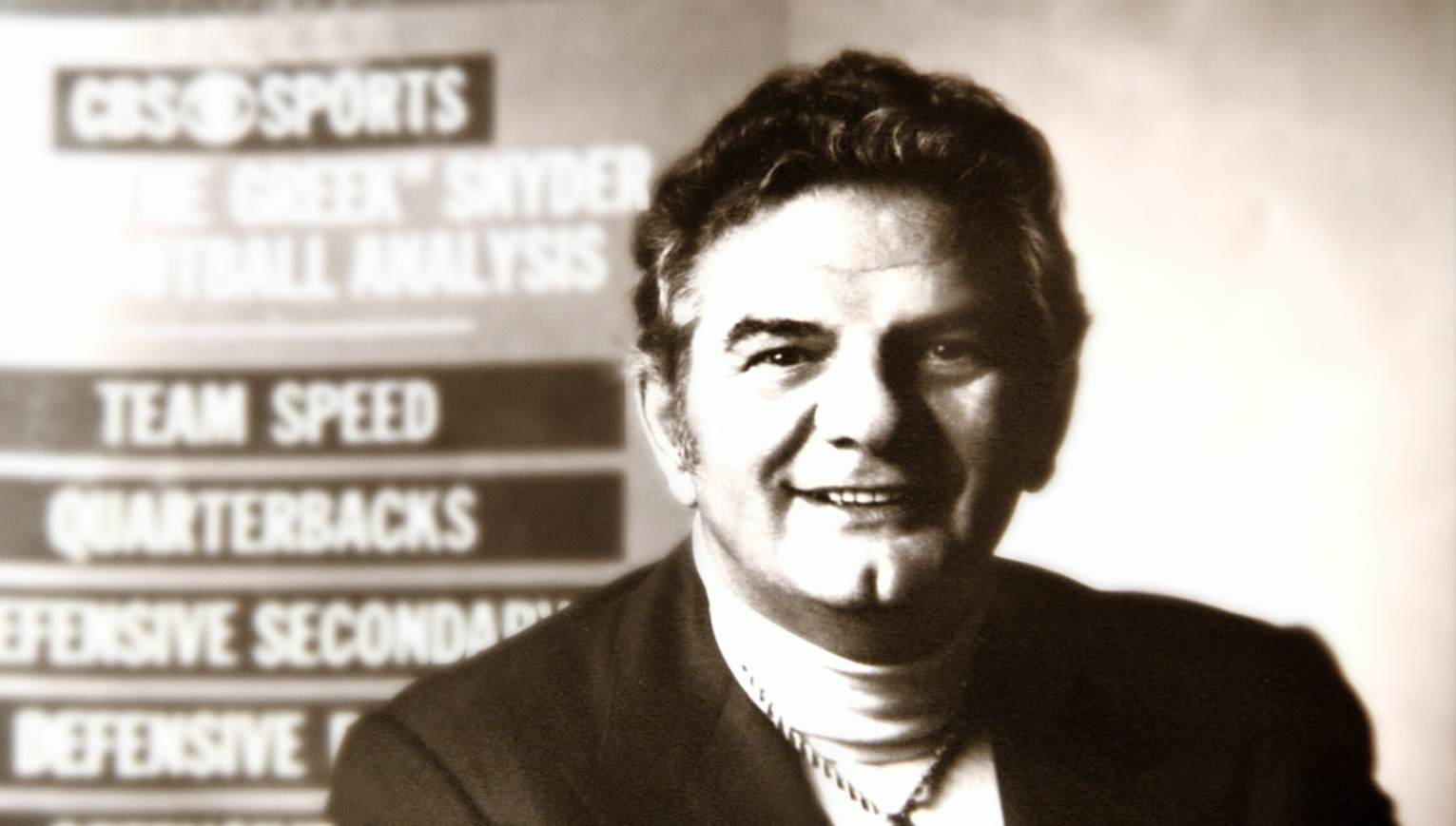
Bookmaker and CBS commentator Jimmy "the Greek" Snyder led informal betting and predicted that amateur Sherman Lanier from New Orleans would be the first to be eliminated, which came true. Lanier quickly exited in 13th place.
Despite being exhausted after a 20-hour heads-up in the 2-7 Draw Lowball, Jack Straus was favored with 9:2 odds at the start of the event. He nearly became one of the first to exit but instead survived his all-in situation. He voiced his dissatisfaction with the player distribution, suggesting they be "seeded, like in tennis or something similar."
Soon after, Straus showcased his skill, eliminating the reigning champion, Amarillo Slim, on the first day. Doyle Brunson (11th place) was also eliminated shortly thereafter, having negotiated a prize pool split the previous year and stopped competing for the title. Among the ten players who reached the final table were names like Johnny Moss, Jack Straus, Sailor Roberts, Jimmy Casella, and Puggy Pearson.
The final day saw four players advance. After Bobby Brazil's elimination (4th place), a lengthy three-handed battle ensued between Pearson, Straus, and Moss. Jack Straus was eventually eliminated by Johnny Moss when his flush draw missed on the river.
Pearson vs. Moss: Battle for the Title
At that time, the Main Event was a winner-takes-all tournament. The $130,000 prize became a battleground between two legendary players. Although Moss was already a two-time Main Event champion, rumors suggested his skills were waning. Just a month before the WSOP, he reportedly lost a quarter of a million in a side game at the Aladdin casino. However, he entered heads-up with a significant lead, silencing the critics.
Pearson reached the Main Event heads-up for the second consecutive year and, after allegedly conceding the title to Slim in the previous year, had the chance for his moment in the spotlight. His aggressive play took the lead, only to fall behind again. Word has it that Johnny Moss's fatigue tipped the balance. Pearson noticed, slowed the game, and patiently awaited a big pot.
The decisive moment came when Pearson called Moss's massive bluff. With two pairs, Pearson risked his tournament life, but this play gave him a 3:1 chip lead.
Minutes later, all the chips were in the middle. On the flop of Q s T s 3 c, Pearson went all-in with A s 7 s against Moss's K h J s. The turn 6 d and river 5 h helped neither player, meaning Puggy Pearson won the title with ace-high.
Puggy Pearson concluded the series with three bracelets, setting a new record for the number of bracelets won by one player in a single series. This record stood until 1993, reached by Phil Hellmuth and Ted Forrest, and no one has since won four or more bracelets in one WSOP series. Pearson also became the first player to achieve four bracelets in his career.
WSOP 1973 was like a small seed first planted in the fertile ground of television publicity. While previous years grew in the shadows, 1973 allowed it to emerge into the sunlight, thanks to the CBS cameras, enabling it to sprout and grow faster in the decades to follow.
More from the History of WSOP
The History of WSOP: 1972 – Amarillo Slim's Controversial Win
The History of WSOP: 1971 – The First Freezeout Tournaments
The History of WSOP: 1970 - The First World Champion Elected by Vote
Sources: WSOP, Wikipedia, PokerListings, GGPoker, The Hendon Mob, The New York Times, YouTube

