

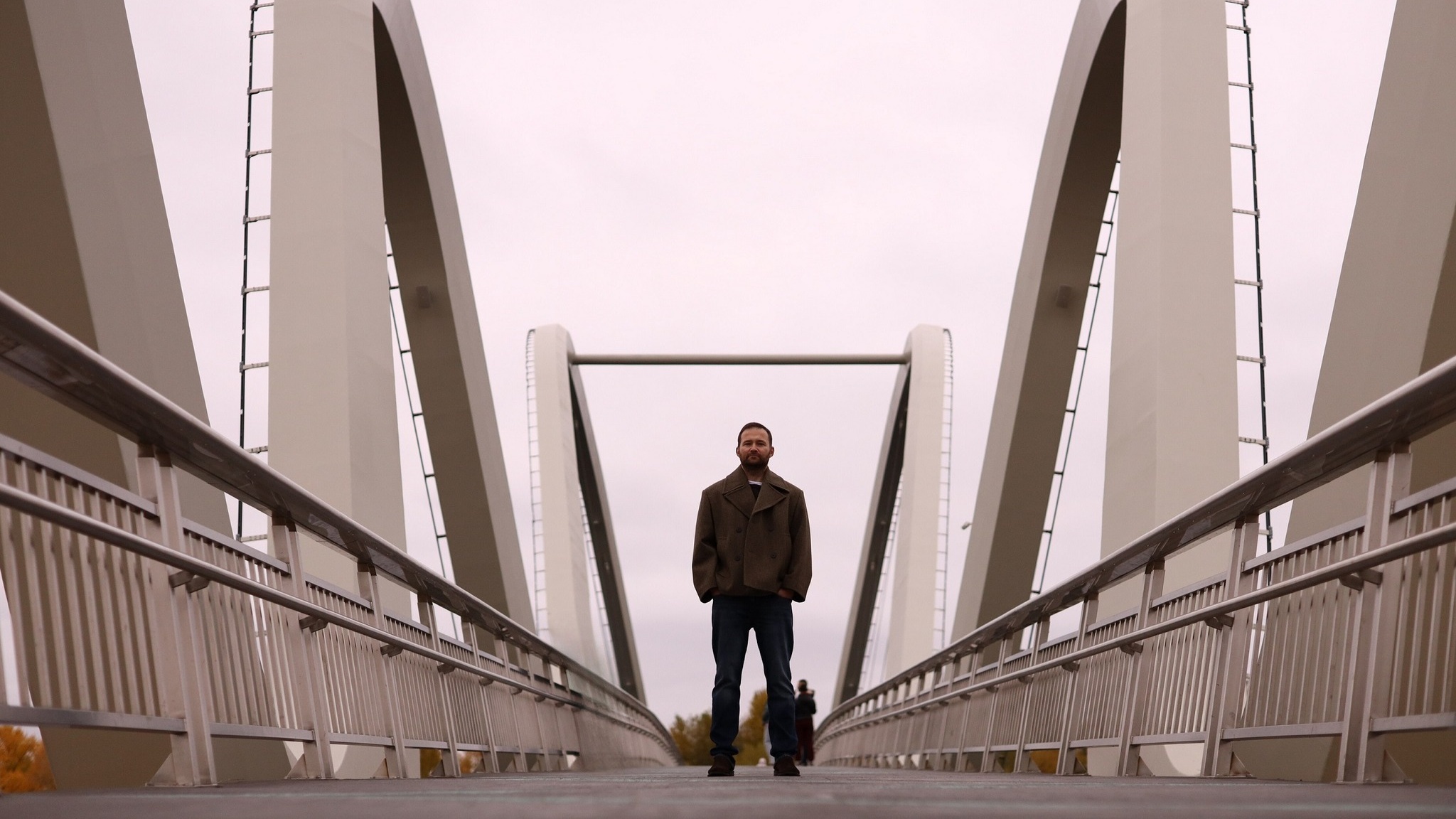
“The biggest mistake is thinking you’ve figured it out,” says Katchalov at the start of his appearance on Chasing Poker Greatness. According to him, overconfidence led to the toughest period in his career. When he became the number one player in the world in 2011, he believed he no longer needed to push himself to improve. But poker punishes complacency faster than anything else.
When to Deviate from the Ideal
His outlook on the development of the game is uncompromising. While the Solver era has improved players' technical skills, it has also created the dangerous illusion that there is a “correct way” to play poker. Katchalov believes the reality is quite the opposite. True edge is found when a player understands when to deviate from the ideal.
“If everyone understands what you're doing, you have no advantage,” he asserts. This is why he has always admired players who aren't afraid to look “foolish” – Gus Hansen, Vanessa Selbst, Dan “Jungleman” Cates, and Tom Dwan. People willing to risk their reputations for long-term gain. Not because they didn’t understand the game, but because they understood it too well.
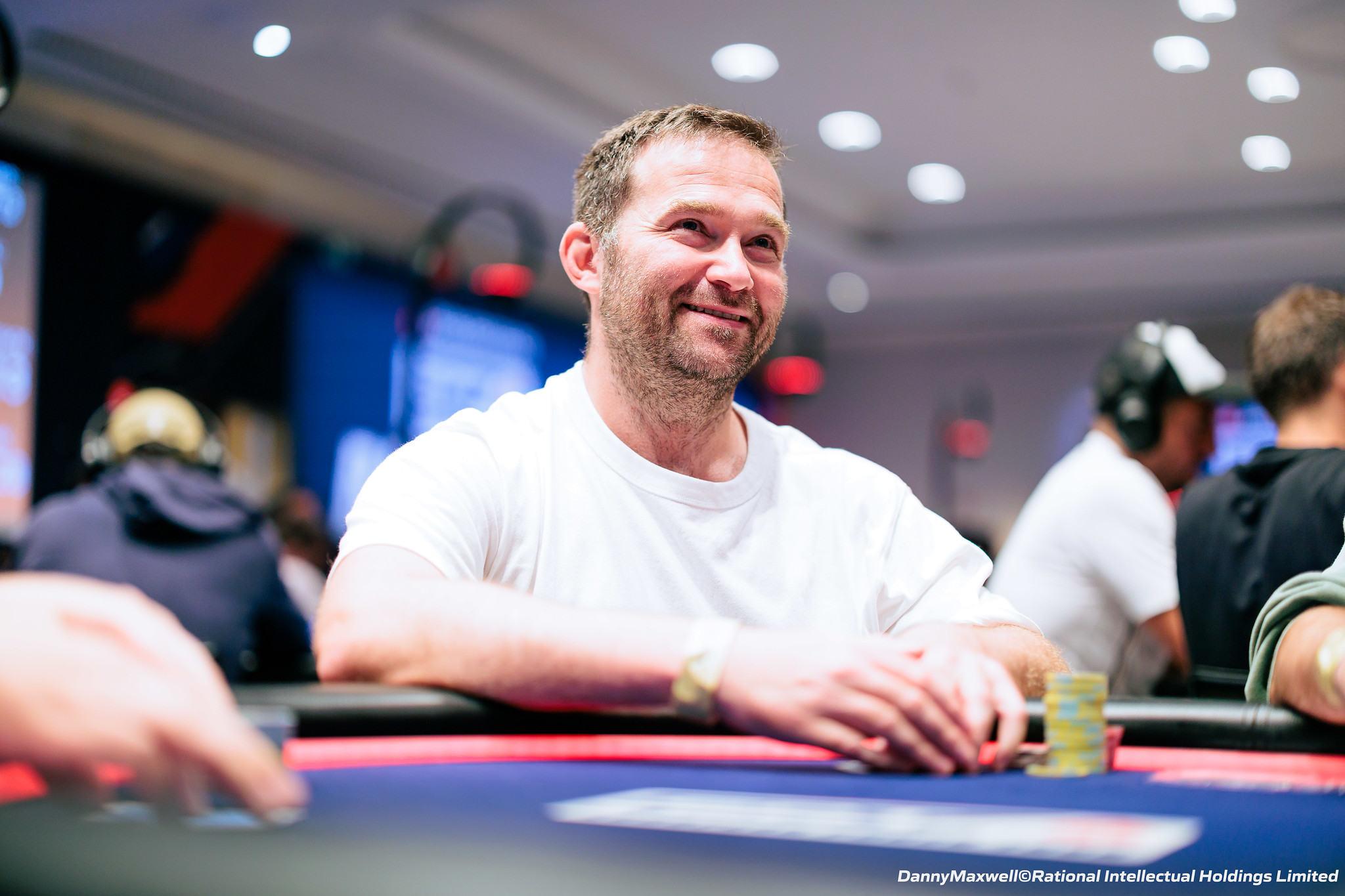
Moving Beyond Poker
After leaving professional poker, Katchalov ventured into business and e-sports. There, he truly realized how similar these worlds are. Constant uncertainty, unpredictable challenges, the need for quick adaptation. “It's not important how well you plan. What matters is how you handle things that can’t be planned,” he notes.
Today, he returns to poker with a different goal. He doesn’t want to dominate the high rollers again. He wants the game to thrive. He highlights the dangerously growing gap between professionals and recreational players, which is damaging the ecosystem. According to him, poker needs more fun, more variety, and more emotion – less sterile perfection. “If a recreational player has no chance of winning, they won't come back,” he says openly. That’s why formats like bomb pots, side bets, or experimental game mechanics fascinate him, as they disrupt the solvability of the game. They’re not there to help pros but to bring back tension and unpredictability.
Katchalov doesn’t believe in a return to the old days but in evolution. He thinks poker must find balance again between skill and chaos, between calculation and humanity. And if it fails, it will survive only as a game for a narrow circle of elite players. “Poker should be a battle of minds, not a competition of software,” he concludes. This belief embodies his true legacy – not in titles, but in understanding why the game works and when it stops working.
More from Chasing Poker Greatness
David Singleton: A Crash Put Him in a Wheelchair, Poker Gave Him a Second Chance
Justin Saliba - Why Sometimes You Have to Fold Kings to Win the Game
Dr. Lara Eisenberg – From Doctor to WSOP Champion
Stephen Baker: Most players know what to do – but don't do it
Jared Alderman: The Mindset that Changes the Way You Win in Poker
Sources – Podcast Chasing Poker Greatness, Flickr/PSLive, FB/Katchalov

