

Journey and Story
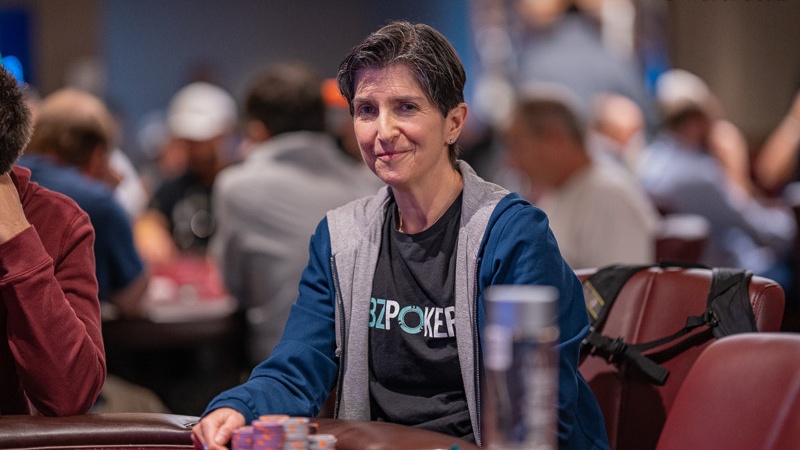
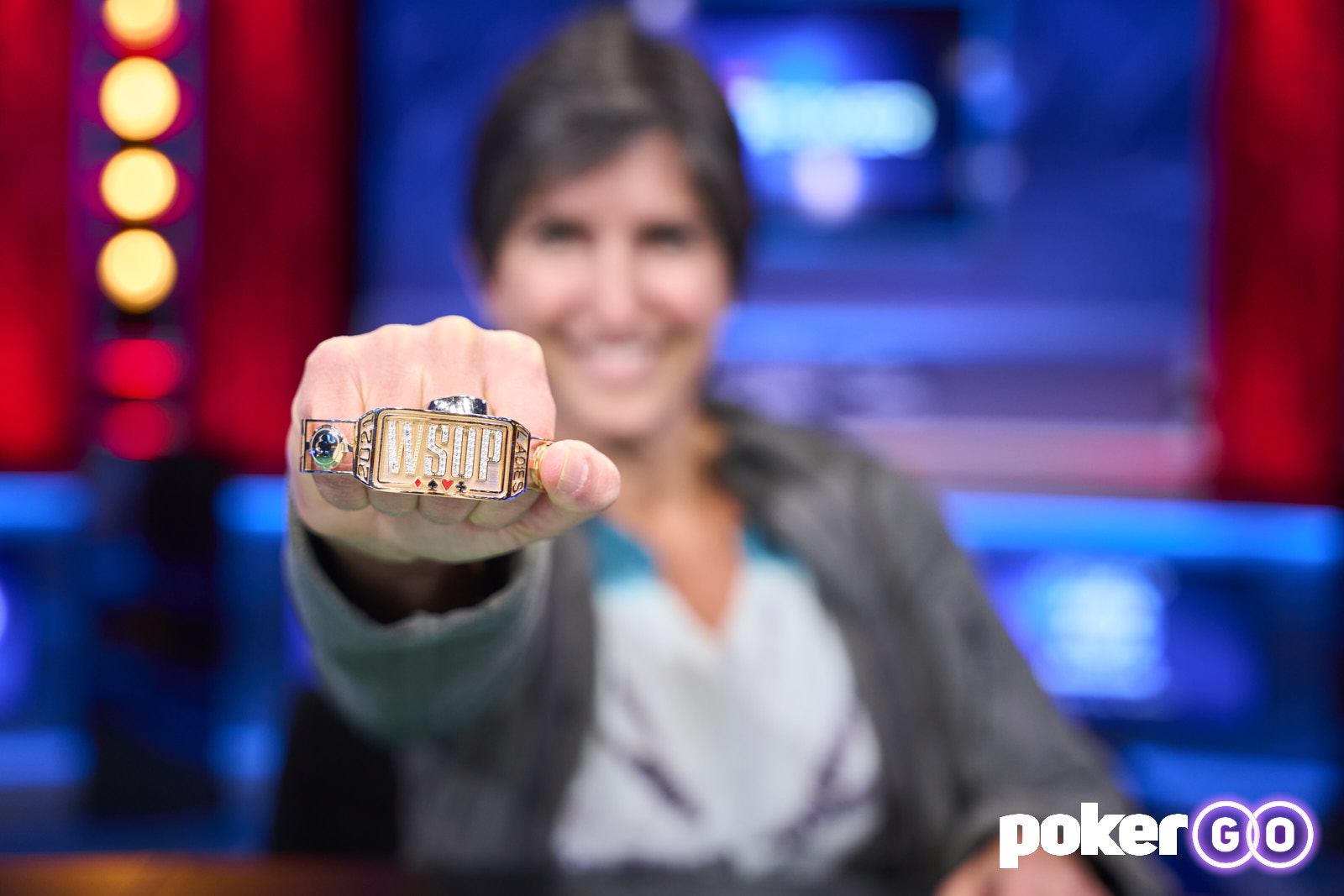
Lara shares her beginnings when she discovered a passion for tournament poker while a busy physician. This passion eventually opened doors to major series. She talks about her WSOP bracelet and a runner-up finish for nearly half a million dollars, acknowledging that every deep run is a blend of discipline, training, and a fair share of variance. Her account of an iconic WPT run is intriguing; she entered after a fifth bullet, almost deciding to leave due to long registration lines. Yet, she became a leader, proving that the combination of knowledge and a strong mindset can turn around even a 16-blind stack into success.
Her growth was significantly shaped by years of study under coaches like ApeStyles and Jordan Drummond. Their methods taught her to understand the concepts behind solver answers. Lara openly discusses the importance of having a community – from BBZ Poker to a close-knit group of friends. They supported her in preparing for the WPT final table, helping her adjust ICM strategies and simulations that impacted every detail.
In a Mistake-Intolerant Environment
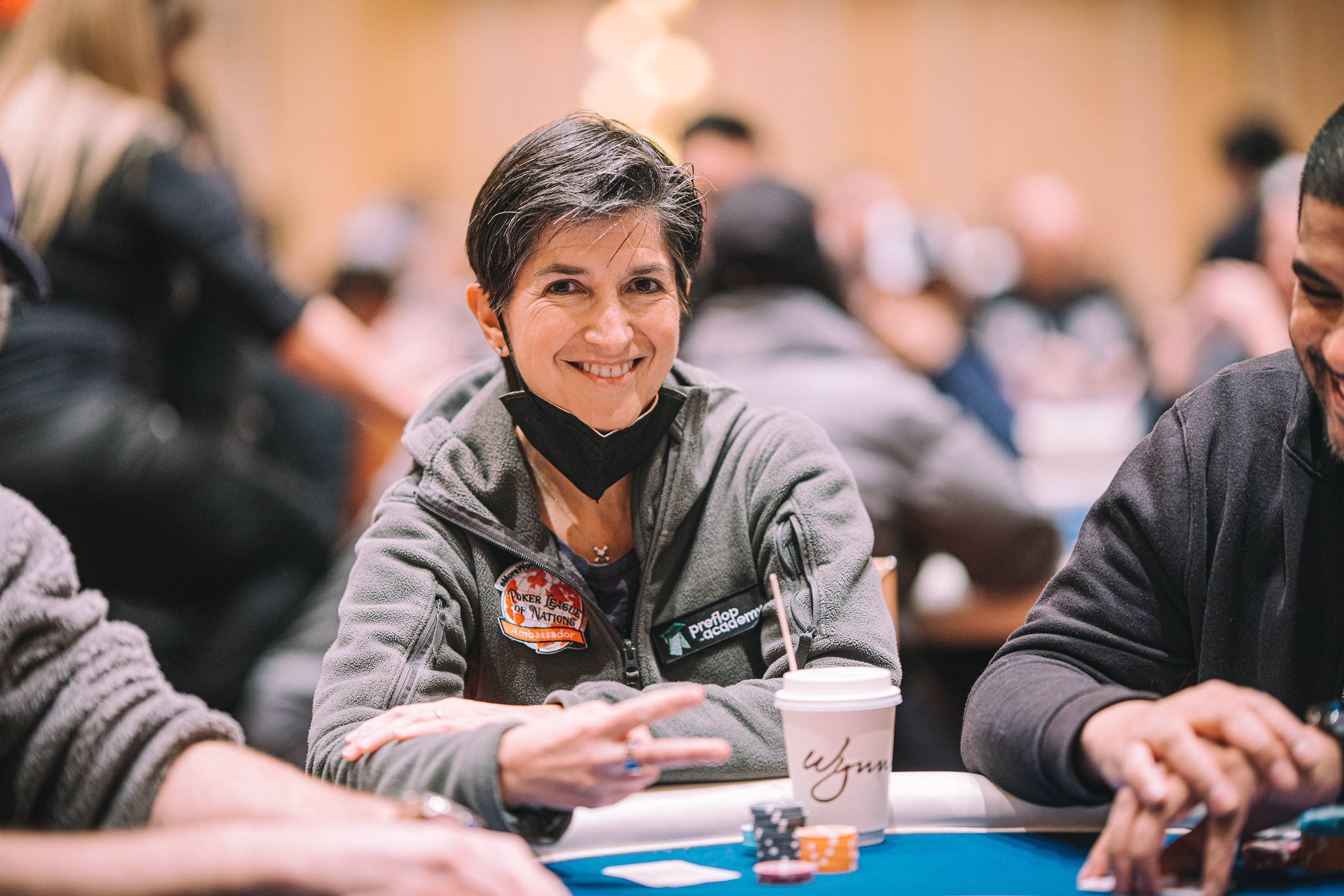
Lara explains that today's MTT environment is extremely competitive. Therefore, any serious player must invest in tools like GTO Wizard, Poker Academy, or HRC. She asserts that modern tournament poker can't be played on instinct alone, as preflop ranges inform every post-flop decision. Yet, she points out that most amateurs and semi-professionals make crucial errors not in post-flop play but in basic preflop fundamentals, which they overlook as "uninteresting."
In a world where even recreational players track solver trends and professionals dissect every spot, Lara believes adaptability is key. She describes how her medical background helps her read opponents' non-verbal cues, stay calm under stress, and maintain a consistent routine during long live series. This allows her to stay "in flow" and respond to tells or subtle information that online players barely perceive.
Mindset, Sleep, and Daily System
Lara emphasizes that her greatest advantage beyond strategy is the system by which she manages her life – covering everything from diet and meditation to a meticulously planned sleep routine during tournament series. She explains that sleep is her absolute priority because it determines her ability to make quality decisions during deep runs. She describes her nightly ritual preparation, from a blackout mask and earplugs to melatonin and special cooldown music mixes by Elliot Roe. According to her, these "invisible" details provide an edge over opponents who focus solely on theory without addressing their own physical and mental condition.
She also openly discusses the challenges of balancing a medical career with a poker life and how she is gradually reducing her practice hours to devote more energy to poker and personal projects. However, she remains grounded – claiming that if one wants to grow competitively, they must work daily, review databases, and continually deepen their understanding of basic ranges. Her perspective, which combines medical precision and poker creativity, is remarkably inspirational.
The Importance of Trusting Intuition
"Many people say the mental game is 80% of success – yet they give it maybe 5% of their time," Lara explains when discussing why routines and psychological preparation are as essential as solver knowledge. She adds that during downswings, she sees the greatest opportunities – not for panic, but for a systematic deep dive into her own mind and the repair of leaks that accumulate over time. This approach helps her maintain stability even during months when results don’t reflect the quality of her play.
In one of the most fascinating passages, she describes the difference between conscious and subconscious decision-making during live tells and moments when her intuition "offers" a decision that a solver wouldn’t recommend. In such dilemmas between GTO and reality, it's always interesting to see how successful live players balance both worlds. In conclusion, Lara talks about how the coming years will mean a shift in her pace – less medicine, more poker, travel, and projects she couldn’t previously fit into her busy schedule.
However, this doesn't mean a full-time poker career – she aims to give more energy to activities that advance her mentally and personally, making her game more stable and aware. Her main message to players is clear: if you want to grow, you must work on both technique and self. Every small optimization – from sleep to mental routine – turns into an edge in tournament series, unaffected by solver charts or luck.
More from Chasing Poker Greatness
Stephen Baker: Most players know what to do – but don't do it
Jared Alderman: The Mindset that Changes the Way You Win in Poker
Sources – Podcast Chasing Poker Greatness, X, PokerNews, PGT, PokerAcademy

