

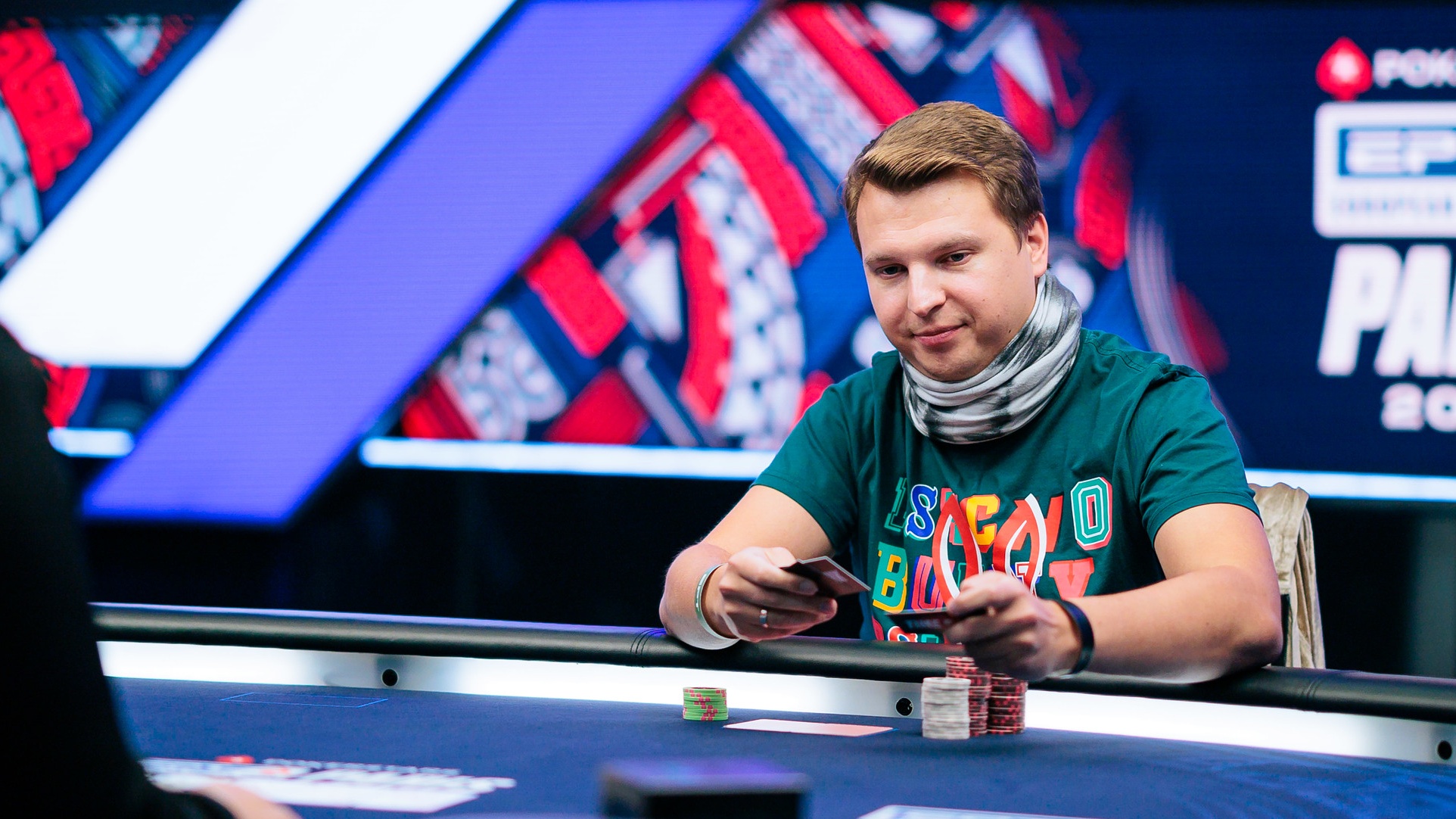
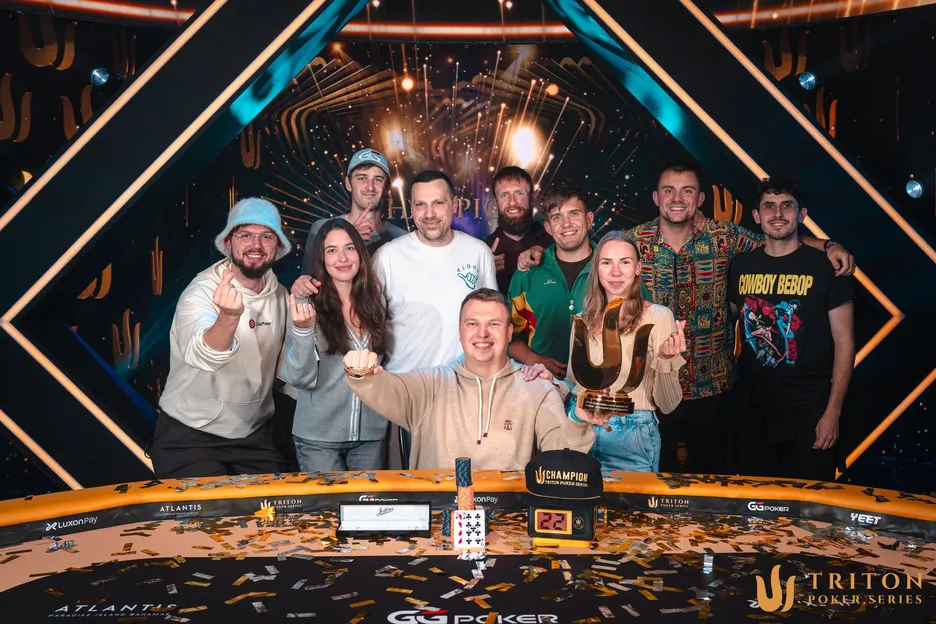
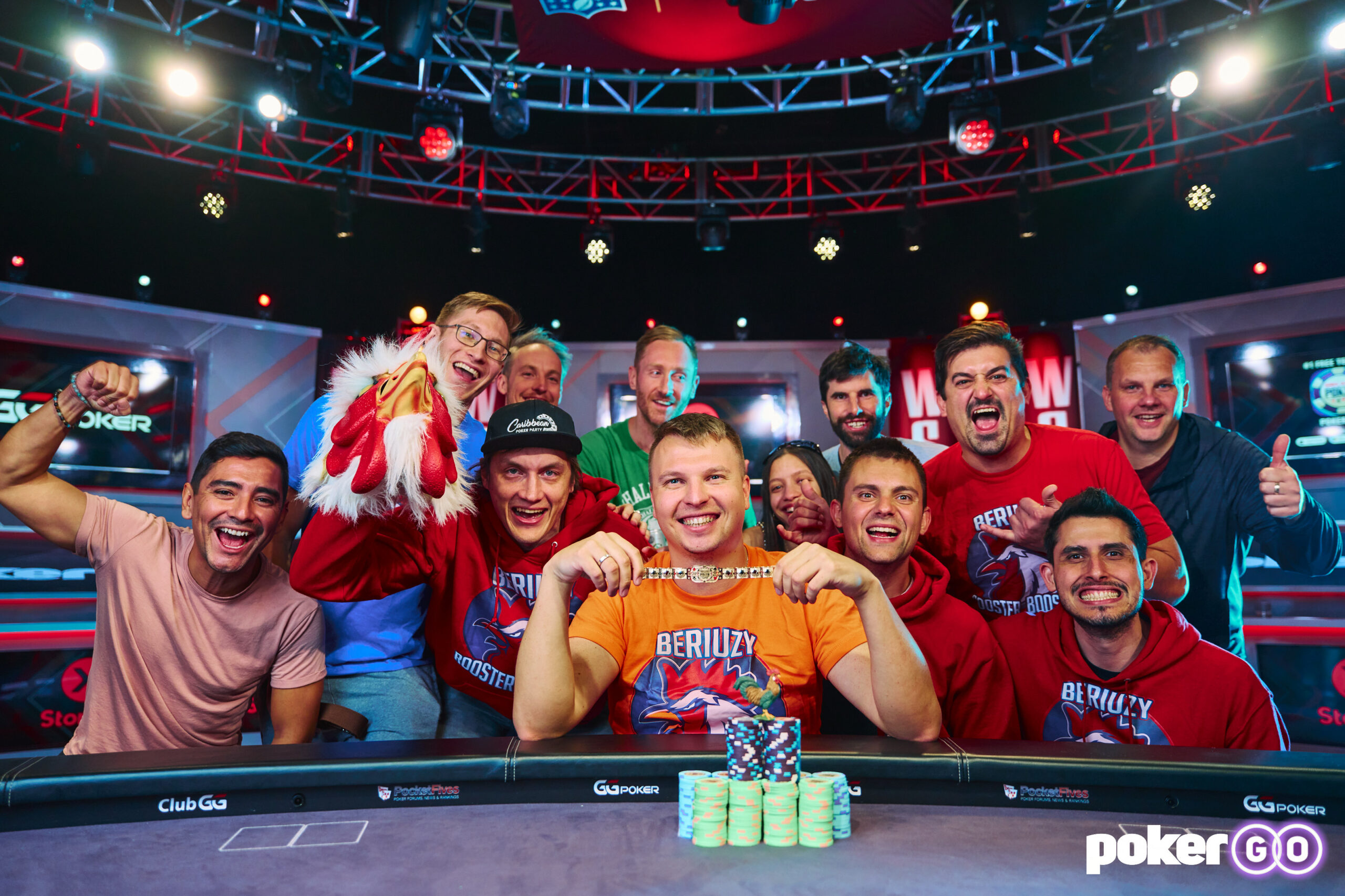
Aleksejs Ponakovs is a professional poker player from Riga who began his career online. After achieving numerous successes, he ventured to live tables, quickly becoming a regular participant in series such as WSOP, EPT, and Triton. With $34 million in live tournament winnings, he is Latvia's undisputed number one, with 2 WSOP bracelets to his name.
Ponakovs started poker as a teenager while playing professional Counter-Strike. Initially a way to earn extra cash, poker eventually became his top priority. During university, he had to choose between school, sleep, and poker. He chose poker and sleep.
A Risk That Nearly Broke Him
In the podcast, he looks back at the period around 2017 when he decided to play big tournaments without adequate bankroll or backing. The WCOOP series almost ruined him — from his original bankroll, only about $10,000 remained. Instead of ending his career, a turning point came.
Ponakovs focused intensely on grinding, massively reduced the number of tables, and started analyzing hands in detail, looking for exploits without solver assistance. This led to an upswing, a win in the Sunday Million after a 5-way deal, and a rapid bankroll increase. Since then, as he says, he hasn't had a worse year than the one before.
Poker Without Solvers as a Foundation
One of the main ideas of this podcast is the importance of street poker. Ponakovs admits that much of his foundation was built before the solver era. He spent hours manually calculating combinations, different scenarios, and fold equity in specific spots. According to him, players who grew up solely on solvers struggle in situations they've never studied. If they find themselves in an unconventional line, they often lose confidence. He considers his experience from times when he had to "figure it all out himself" as one of his greatest advantages.
Ponakovs further details his process of finding exploits. The key is working with expectations—both his own and his opponents'. He distinguishes between real range and the "imaginary" range opponents create about him. He emphasizes that especially in live poker, extreme concentration is crucial. The fewer GTO players at the table, the more room there is for exploits. As an example, he mentions using multiple sizings on the turn in mid-level buy-ins where opponents cannot correctly respond with check-raises, allowing EV to slip away.
Mistakes as Investment
Ponakovs openly admits that many of his exploitative decisions were based on faulty assumptions. The difference is that he wasn't afraid to be wrong. In his view, a player afraid of looking foolish will never reach the highest EV. He claims that the line between a genius move and a catastrophic mistake is extremely thin in high stakes. If a player is afraid to cross that line, they automatically block their path to growth.
According to him, there are various groups of players who evaluate and compare each other. Ego is everywhere, but the problem arises when it starts influencing decisions at the table. He emphasizes the ability to forgive — oneself and others. He believes a player who can't forgive their mistakes will break mentally. Experience has taught him that even the best players make mistakes and that the absence of errors often signifies too cautious, unambitious strategy.
Differences Between Mid and High Stakes
The biggest difference between mid stakes and high stakes tournaments, according to him, isn't in the mechanics but in ICM and decision depth in late stages. In high stakes tournaments, a single mistake can cost players massive amounts of EV, whereas, in lower buy-ins, such situations often don't even occur. A player looking to move up must accept that they will initially make costly mistakes, but these should be seen as part of the learning process, not evidence of insufficient skill.
At the end of the podcast, Ponakovs reflects on success and life outside poker. He admits that for many years, he was driven by the need for financial security and control. Today, however, he places greater emphasis on satisfaction and natural balance. He claims that if one has to consciously address balance, something is probably already not working. For him, balance should come naturally — resulting from doing meaningful things while leaving space for new goals outside the poker table.
More from the GTO Lab Podcast
Nick Petrangelo: In $100k Tournaments There Aren't Weak Players Anymore, So There's More Work to Do
Daniel Negreanu: Being at the Top of Poker for Years is Hard Work, Not Luck
Fedor Holz: I Used to Want Wins, Titles, and Money. Today I Want Happiness
Sources – Podcast GTO Lab, Flickr, PGT

